USAF History:
A Legacy
Introduction: The United States Air Force (USAF) stands as a beacon of strength, innovation, and service in the annals of military history. Since its inception in 1947, the USAF has played a pivotal role in shaping the nation’s defense strategy, advancing aerospace technology, and defending American interests at home and abroad. In this post, we will take a journey through the rich and storied history of the USAF, from its humble beginnings to its current status as a global force.
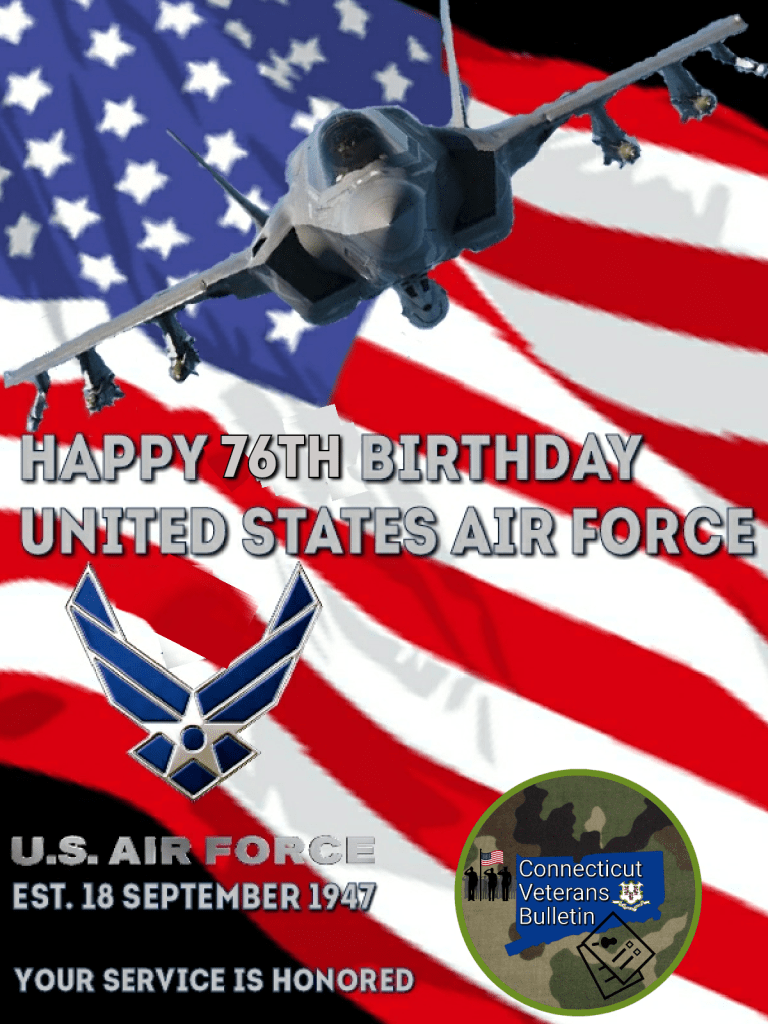
Birth of the USAF: The USAF was officially established on September 18, 1947, with the signing of the National Security Act of 1947 by President Harry S. Truman. This monumental move separated the United States Army Air Forces from the United States Army, giving birth to an independent branch dedicated to air and space operations.
Korean War and the Cold War: The USAF faced its first major test during the Korean War (1950-1953). It played a vital role in providing air support to United Nations forces and enforcing a no-fly zone over North Korea. The Cold War era saw the USAF’s continued growth, with a focus on strategic nuclear deterrence and technological advancements such as the development of the intercontinental ballistic missile (ICBM) program.
Vietnam War and Air Mobility: The Vietnam War (1955-1975) marked another significant chapter in USAF history. It involved extensive bombing campaigns and the extensive use of tactical airlift, showcasing the Air Force’s flexibility and adaptability.
Space Exploration and Technology: The USAF has always been at the forefront of space exploration. It launched the first American satellite, Explorer 1, in 1958 and later played a crucial role in the Apollo program, which landed the first humans on the moon in 1969. The Air Force Space Command was established to oversee military space operations and satellite communication.
Desert Storm and Beyond: In 1991, during Operation Desert Storm, the USAF demonstrated its technological prowess with precision airstrikes and the use of stealth aircraft, such as the F-117 Nighthawk. Since then, it has continued to evolve, incorporating cutting-edge technologies like drones and cyber warfare into its arsenal.
Global Reach and Air Superiority: Today, the USAF remains a global force with bases and deployments worldwide. Its mission extends from providing humanitarian aid during natural disasters to maintaining air superiority in contested regions. The F-22 Raptor and the F-35 Lightning II have solidified its position as the world’s premier air force.
Conclusion: The United States Air Force’s history is a testament to its dedication to protecting the United States and its allies. From its early days as a fledgling branch of the military to its current status as a technological powerhouse, the USAF continues to adapt and excel in an ever-changing world. As we look to the future, it is certain that the United States Air Force will remain a symbol of American innovation, strength, and commitment to freedom.
Discover more from CONNECTICUT VETERANS BULLETIN
Subscribe to get the latest posts sent to your email.
