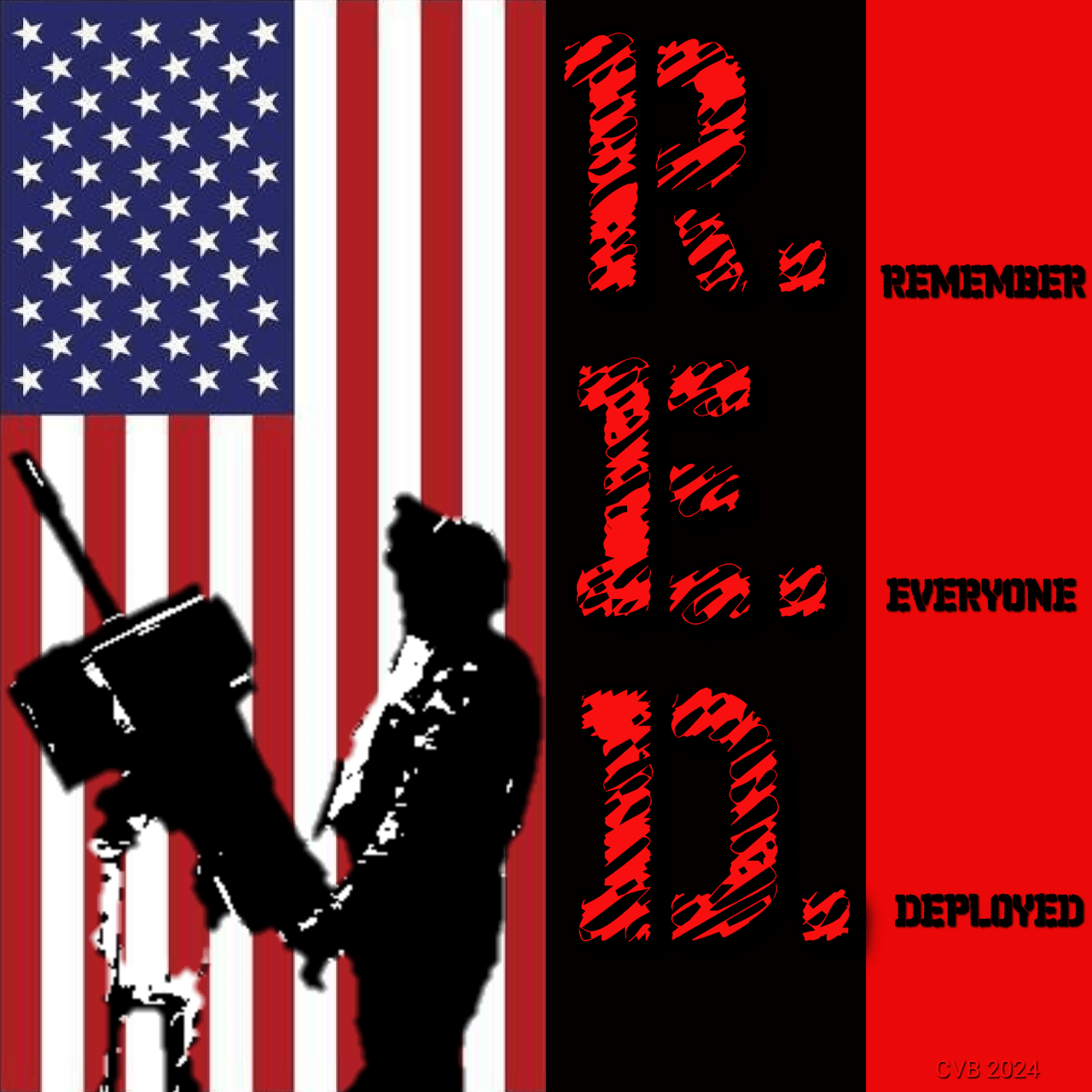
Remember Everyone Deployed: Honoring Service on RED Friday
As the Connecticut Veterans Bulletin, we stand united in solidarity with our nation’s brave men and women who serve in uniform. Today, on RED (Remember Everyone Deployed) Friday, we come together to honor and show our unwavering support for those who are currently deployed, as well as their families who stand behind them.
RED Friday serves as a poignant reminder of the sacrifices made by our service members as they defend our freedoms and protect our way of life around the world. It is a day to wear red as a symbol of solidarity and to raise awareness about the ongoing deployments and the challenges faced by military families.
For those who are deployed, every day brings new challenges and uncertainties as they carry out their missions in far-flung corners of the globe. They endure long separations from loved ones, face danger and hardship, and make sacrifices that most of us can only imagine. Yet, they do so with courage, resilience, and a steadfast commitment to their duty.
As citizens, it is our duty to stand by our deployed service members and their families, offering them our unwavering support and gratitude. Whether through sending care packages, writing letters, or simply offering a word of thanks, every gesture of support makes a difference and lets our troops know that they are not forgotten.
On this RED Friday, let us come together as a community to honor the service and sacrifice of our deployed service members. Let us show them that they are in our thoughts and prayers, and that we stand with them every step of the way. Together, let us remember everyone deployed and reaffirm our commitment to supporting our troops and their families, today and always.
Thank you to all who serve, and may you return home safely to the warm embrace of your loved ones. God bless our troops, and God bless America.
Resumption of Attacks Highlights Ongoing Threat to U.S. Troops
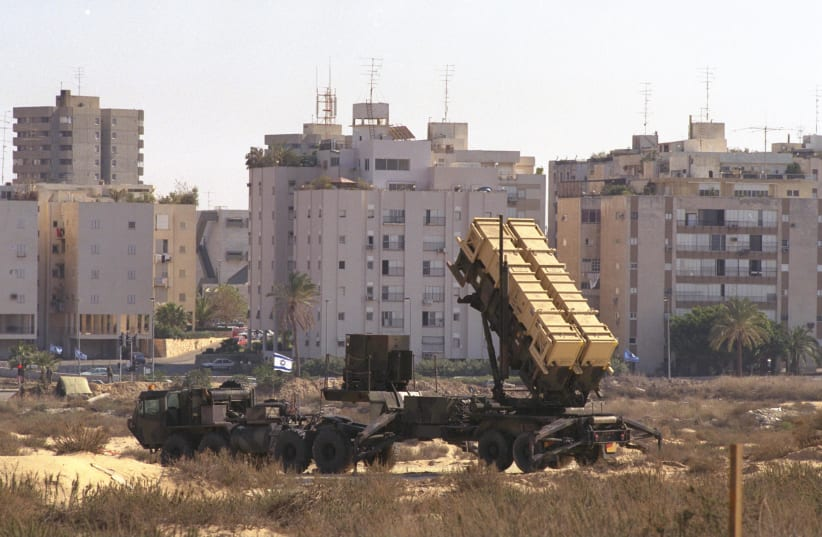
In a stark reminder of the ongoing dangers faced by U.S. troops deployed in the Middle East, at least five rockets were launched from Iraq towards a U.S. military base in northeastern Syria on Sunday, April 21. This attack, reported by two Iraqi security sources and a U.S. official to Reuters, marks the first hostile action against U.S. forces in the region since early February when Iranian-backed groups in Iraq had temporarily halted their attacks.
The timing of the attack is significant, occurring just a day after Iraqi Prime Minister Mohammed Shia al-Sudani’s return from a visit to the United States, where he met with President Joe Biden at the White House. While the motive behind the attack remains unclear, a post on a Telegram group affiliated with Kataib Hezbollah, an Iranian-backed militia, indicated that armed factions in Iraq had decided to resume attacks due to perceived lack of progress in talks to end the U.S.-led military coalition’s presence in the country.
Despite the attack, no U.S. personnel were injured, according to a U.S. official who described the incident as a “failed rocket attack.” It is yet to be determined whether the rockets failed to hit their target or were intercepted before reaching the base. In response to the attack, an aircraft from the U.S.-led coalition conducted a strike against the launcher, as confirmed by two security sources and a senior army officer in Iraq.
The Iraqi Security Media Cell, responsible for disseminating security information, stated that Iraqi forces had launched a comprehensive operation to apprehend the perpetrators near the Syrian border, vowing to bring them to justice. The attack comes in the wake of a separate incident on Saturday, where a blast at a military base in Iraq claimed the life of a member of an Iraqi security force. While the force commander attributed the incident to an attack, the army has initiated an investigation to ascertain the cause.
These recent events underscore the persistent threat faced by U.S. troops and coalition forces in the region, highlighting the ongoing tensions and complex security dynamics in Iraq and Syria. As military operations continue, it is imperative for all stakeholders to remain vigilant and committed to safeguarding the safety and security of personnel deployed in the region.
Uncertainty Looms Over U.S. Troop Presence in Niger and Chad Amid Strategic Shifts
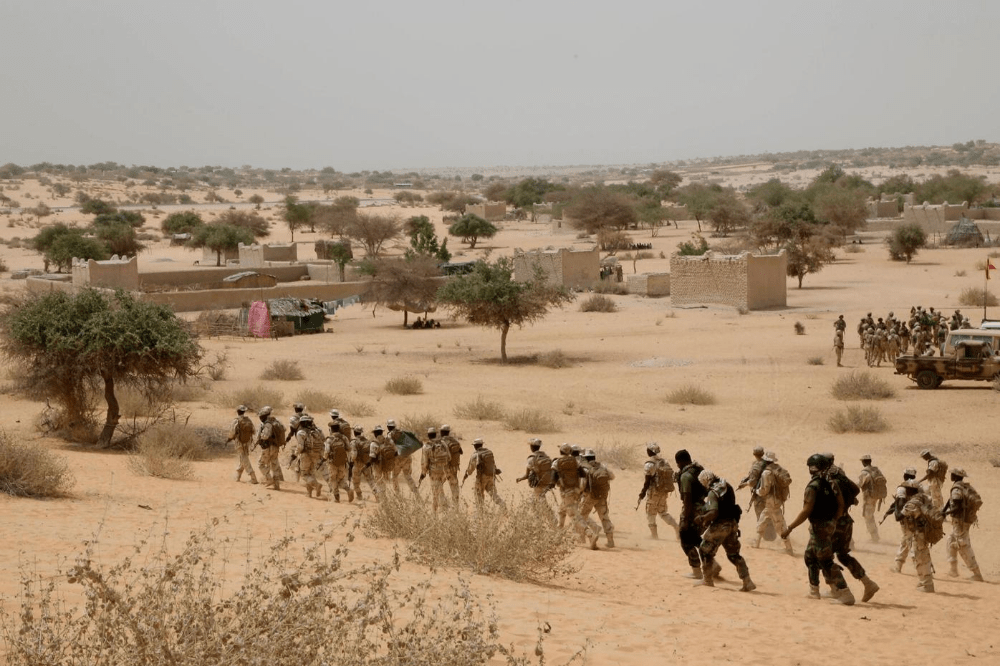
In recent developments, the future of U.S. troop deployments in Niger and Chad hangs in the balance, casting a shadow over crucial counterterrorism efforts in the Sahel region of Africa. As diplomatic discussions unfold, uncertainty clouds the strategic landscape, raising concerns about the broader implications for regional stability and U.S. influence on the continent.
Niger’s ruling junta’s decision to terminate the agreement allowing U.S. troop operations within its borders has sparked urgent deliberations. While the State Department gears up for talks with Nigerien officials to navigate an orderly withdrawal of U.S. forces, neighboring Chad has also questioned its military cooperation pact with the United States. These shifts underscore the delicate balance of power dynamics in the region.
The agreements with Niger and Chad have long been linchpins in the U.S. strategy to combat violent extremism and bolster security capabilities. However, recent developments have highlighted challenges in maintaining these partnerships amid evolving geopolitical dynamics. With the specter of Russian and Chinese overtures looming, there are growing concerns about potential power vacuums and the erosion of U.S. influence.
Joint Chiefs Vice Chairman Adm. Christopher Grady emphasized the importance of reaffirming the United States’ commitment to its African partners. As negotiations unfold, the U.S. military remains poised to adapt to any outcome, with contingency plans in place to address potential shifts in the operational landscape. However, the prospect of a U.S. withdrawal poses significant challenges, necessitating a recalibration of counterterrorism strategies in the Sahel.
Amidst political upheaval and shifting alliances, the fate of U.S. troop presence in Niger and Chad remains uncertain. As diplomatic efforts intensify, the international community watches closely, recognizing the pivotal role these countries play in the fight against extremism in Africa. The coming days will test the resilience of strategic partnerships and shape the trajectory of security operations across the Sahel region.
Defending the Seas: U.S.-Led Coalition Intercepts Houthi Anti-Ship Missile in the Gulf of Aden

In a recent development, a warship belonging to a U.S.-led coalition, tasked with safeguarding shipping in the Middle East, successfully intercepted an anti-ship ballistic missile launched over the Gulf of Aden by Yemen’s Houthi rebels. This incident marks a resurgence in attacks by the Houthis after a period of relative calm.
The Houthis, who have been increasingly active in recent months, have been deploying drones and missiles in their attacks. They have explicitly stated their intention to continue these assaults until Israel ceases its operations in Gaza, where thousands of Palestinians have lost their lives. The ongoing conflict in Gaza was sparked by Hamas-led militants’ aggression against Israel, resulting in widespread casualties and hostage situations.
Interestingly, the ships targeted by the Houthis have had minimal or no direct ties to Israel, the United States, or other nations involved in the Gaza conflict. Despite occasional missile launches towards Israel, many of these projectiles have either missed their mark or been intercepted before causing any damage.
The Houthi rebels, belonging to the Shiite Zaydi sect, once ruled Yemen for a millennium until 1962. Their ascendancy to power in Yemen’s capital, Sanaa, in 2014 led to a prolonged conflict with a Saudi-led coalition since 2015. This conflict has remained at a stalemate for years, with both sides engaging in sporadic clashes and maneuvering for dominance.
The recent interception of the anti-ship missile underscores the ongoing tensions in the region and the challenges faced by coalition forces in maintaining maritime security. As the conflict dynamics continue to evolve, the need for robust defense measures to protect vital maritime routes becomes increasingly paramount.
Discover more from CONNECTICUT VETERANS BULLETIN
Subscribe to get the latest posts sent to your email.
