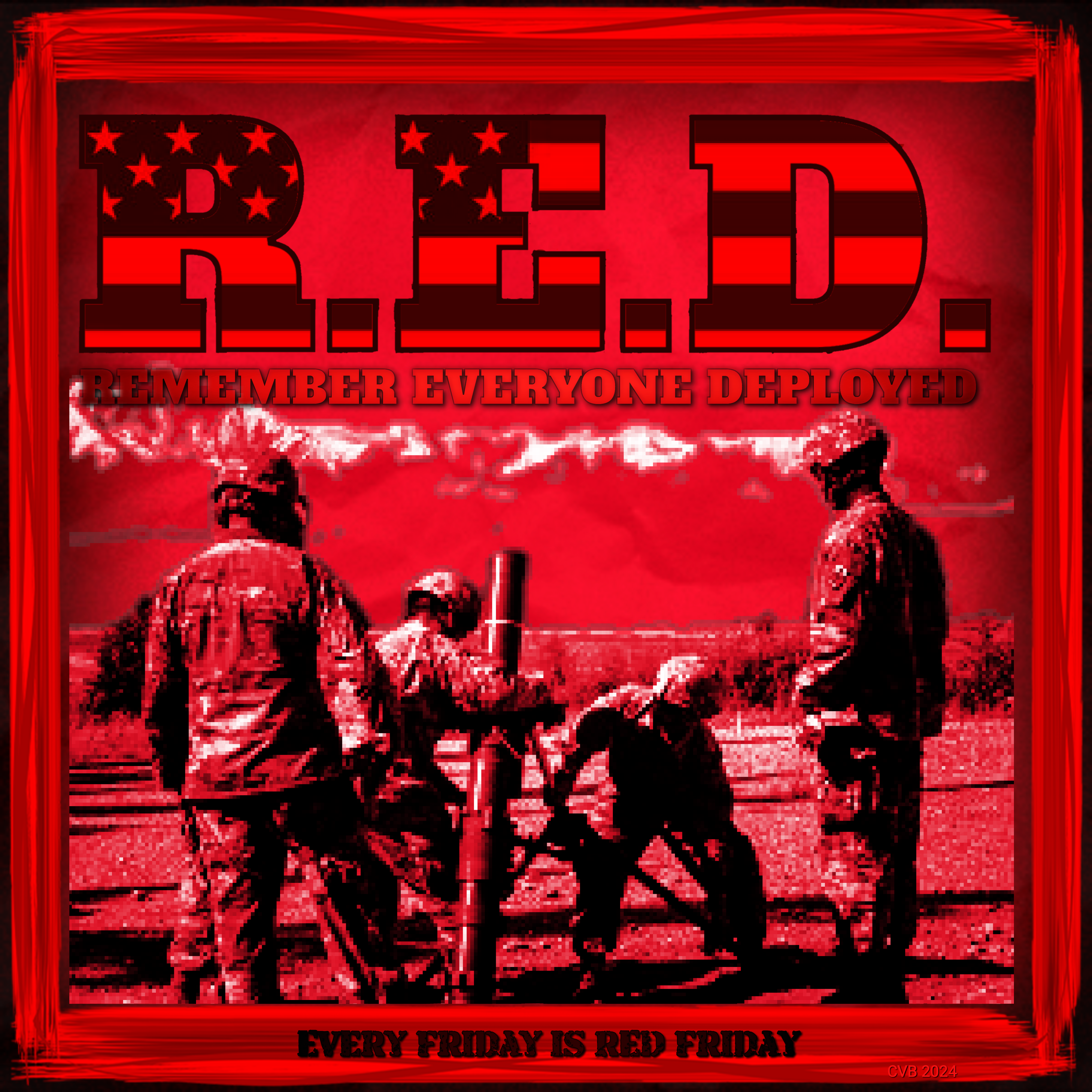
On this RED Friday, we at the Connecticut Veterans Bulletin stand united in our unwavering support for the brave men and women currently deployed overseas. As tensions escalate in various regions, our troops remain steadfast, embodying the courage and dedication that define our nation’s military.
This week has seen significant developments in the Middle East. A rocket attack on a U.S. base in Iraq injured five service members and two contractors, highlighting the ongoing dangers our troops face. Despite these threats, their resolve remains unshaken as they continue to protect American interests and maintain stability in volatile regions.
In response to rising tensions, the Pentagon has increased military presence in the Middle East. About a dozen F/A-18 Super Hornet fighter jets from the Theodore Roosevelt aircraft carrier have been deployed to bolster defenses for Israel and safeguard U.S. troops against potential threats from Iran and its proxies. This move, ordered by U.S. Defense Secretary Lloyd Austin, underscores our commitment to supporting allies and defending our troops against escalating violence.
Simultaneously, the Pentagon has concluded a five-year drone base operation in Niger, completing the pullout and marking the end of a significant chapter in U.S. military operations in the region. This strategic shift reflects the dynamic nature of global military engagements and the need to adapt to emerging threats.
As we honor our deployed troops this RED Friday, we acknowledge the sacrifices they make daily. Their dedication ensures our safety and security, and we pledge our undying support. We call on our community to wear red today, symbolizing our collective solidarity and respect for those who serve far from home.
To our troops, we say: Your bravery does not go unnoticed. Your mission is our mission, and your sacrifices are deeply appreciated. Stay safe, stay strong, and know that your nation stands with you.
Rocket Attack on U.S. Base in Iraq Amid Rising Middle East Tensions
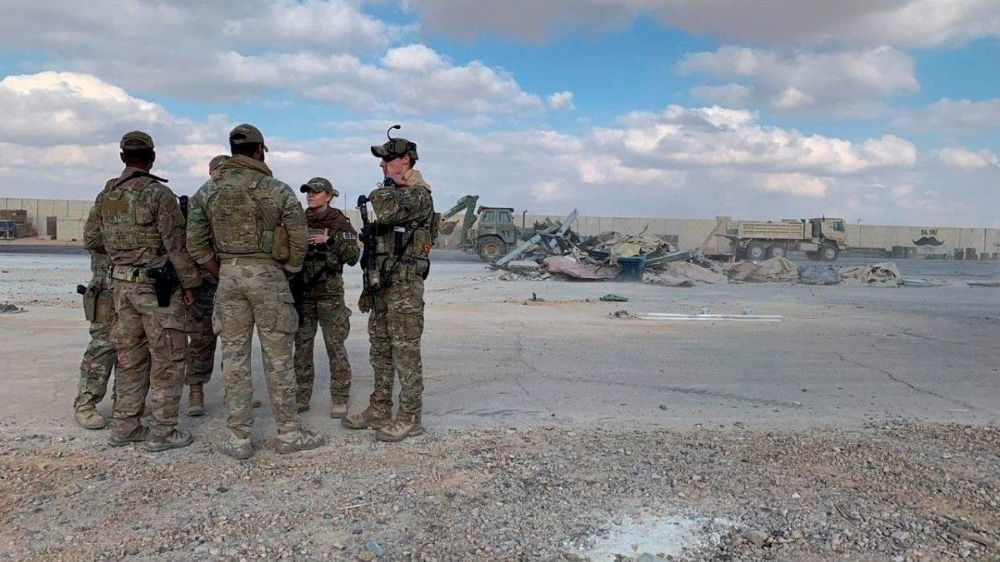
At least five U.S. personnel were injured in a rocket attack on the Ain al-Asad airbase in western Iraq on Monday, according to U.S. officials. This incident comes amid rising tensions following the recent assassinations of senior Hamas and Hezbollah leaders, which have led to threats of retaliation from Iran and its allies.
Details of the Attack
Two Katyusha rockets struck the Ain al-Asad airbase, where U.S. troops are stationed. One of the rockets fell inside the base, according to Iraqi security sources. The U.S. officials, who spoke on condition of anonymity, stated that one of the wounded Americans was seriously injured. Initial casualty reports suggest that the number of injured could still change. Base personnel are currently conducting a post-attack damage assessment.
Context and Regional Tensions
The attack is linked to recent high-profile killings in the Middle East. Ismail Haniyeh, the political leader of Hamas, was assassinated in Tehran last week. Iran has blamed Israel for the killing, although Israel has not claimed responsibility. Adding to the tensions, an Israeli strike in Beirut last week killed Fuad Shukr, a senior commander of Hezbollah. These events have fueled concerns that the conflict in Gaza could escalate into a broader Middle East war.
U.S. and Iranian Responses
In response to the escalating threats, the Pentagon has deployed additional fighter jets and Navy warships to the Middle East to bolster defenses. U.S. Secretary of Defense Lloyd Austin and Israeli Minister of Defense Yoav Gallant have agreed that the recent attacks mark a dangerous escalation. Last week, the U.S. carried out a strike in Iraq against militants preparing to launch drones, posing a threat to U.S. and coalition forces.
Iraq’s Position
Iraq, which hosts 2,500 U.S. troops and has Iran-backed militias linked to its security forces, has witnessed increasing tit-for-tat attacks since the Israel-Hamas war erupted in October. Baghdad has struggled to control these militias, which have targeted U.S. forces in Iraq and Syria numerous times since October 7. Iraqi Prime Minister Mohammed Shia al-Sudani recently spoke with U.S. Secretary of State Antony Blinken to discuss reducing regional tensions and addressing Iran’s potential retaliation.
Broader Implications
The region remains on high alert, with the U.S. closely monitoring Iran’s actions. U.S. Army General Michael “Erik” Kurilla, head of U.S. Central Command, is in the Middle East to ensure coordination with allies in case of an Iranian attack against Israel. The White House has confirmed that President Biden and Vice President Kamala Harris have been briefed on the situation and are prepared to respond to any threats.
Future Considerations
Negotiations between U.S. and Iraqi officials continue regarding the future presence of U.S. forces in the region. Iraq has expressed a desire for U.S.-led coalition troops to begin withdrawing in September, with a complete end to their mission by September 2025. However, some U.S. forces may remain in an advisory capacity. The U.S. military’s recent bombings of Iranian-backed militia positions in Iraq, in response to previous attacks, highlight the ongoing and complex nature of the conflict.
The situation remains fluid, with potential for further escalation as all parties prepare for possible retaliatory actions. The international community is watching closely as the dynamics in the Middle East continue to evolve.
Pentagon Completes Pullout from Niger, Concluding Five-Year Drone Base Operation
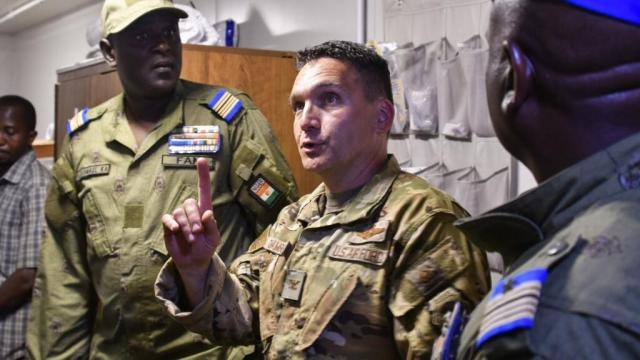
On August 5, 2024, the Defense Department announced the completion of U.S. troop withdrawal from Air Base 201 in Agadez, Niger. This marks the end of the American military presence in Niger, which was once a critical component of Washington’s security strategy in the Sahel region.
“The withdrawal of U.S. forces and assets from Air Base 201 in Agadez is complete,” the Defense Department stated in conjunction with the Nigerien defense ministry. A small contingent remains at the U.S. Embassy to finalize the withdrawal, as confirmed by U.S. Africa Command.
The departure comes just five years after the opening of the $110 million base in Agadez, which was the largest U.S. Air Force-led construction project in history. At its peak, around 1,000 U.S. troops were stationed in Niger, operating from bases in Agadez and the capital, Niamey. The mission primarily focused on drone surveillance for counterterrorism and security efforts in the Sahel, a region encompassing several West and North-Central African nations.
Despite significant military and financial aid, including hundreds of millions of dollars, the strategy was disrupted last summer when Niger’s elected government was overthrown in a military coup. The new ruling junta ordered U.S. forces to leave in March, following meetings with U.S. officials and Gen. Michael Langley, commander of AFRICOM.
By June, the Pentagon reported that 30% of U.S. troops had already left, with approximately 700 remaining. The departure was further complicated by regional instability, including a series of coups that increased Russian influence. Russian forces had established a presence at the Niamey base as U.S. personnel were withdrawing.
U.S. involvement in Niger had ramped up significantly post-9/11, although the direct threat to American security from terrorist activities in the Sahel is debated. Some analysts suggest that the U.S. may have overstated the threat to its interests. “There’s a real possibility that we have overinflated and overstated the direct threat to vital U.S. interests in the region and beyond,” said Cameron Hudson, a senior fellow at the Center for Strategic and International Studies.
Nevertheless, militant groups in the region, particularly in Burkina Faso, Mali, and Niger, have grown, controlling vast territories and posing significant destabilization risks. A United Nations Security Council report in July warned of the potential for complete regional destabilization in the medium term.
Over the past decade, U.S. troops have trained Niger’s forces and supported missions against ISIS and al-Qaida. The Defense Department emphasized that the withdrawal was completed smoothly, ahead of the September 15 target date.
The Pentagon’s decision to end its operations in Niger underscores the shifting dynamics and challenges in maintaining stability and counterterrorism efforts in the Sahel region.
Aug 6, 2024: U.S. Increases Military Presence to Support Israel Amid Rising Tensions
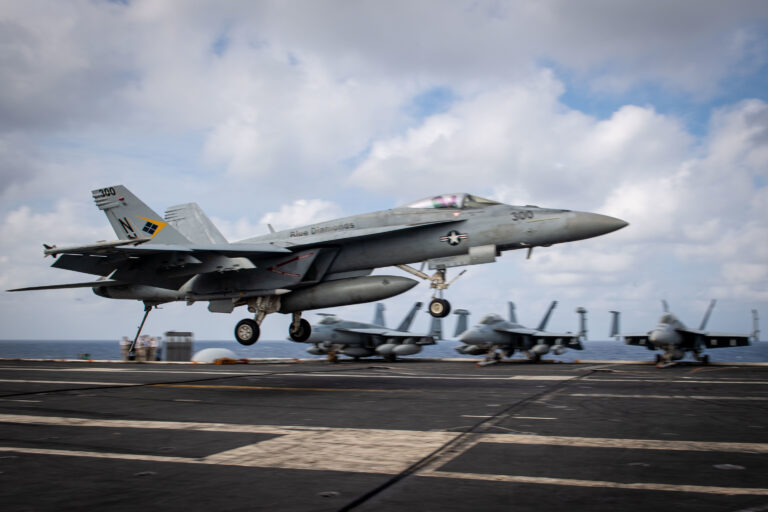
In response to escalating tensions in the Middle East, the Pentagon has deployed about a dozen F/A-18 Super Hornet fighter jets from the Theodore Roosevelt aircraft carrier to an undisclosed military base in the region. This move aims to bolster defenses for Israel against potential attacks from Iran and its proxies and to protect U.S. troops stationed there, according to a U.S. official.
The aircraft, including an E-2D Hawkeye surveillance plane, departed from the Gulf of Oman and arrived at the base on Monday. The increased military presence was ordered by U.S. Defense Secretary Lloyd Austin following concerns about growing violence after the recent killings of a senior Hezbollah commander in Lebanon and Hamas’ top political leader in Iran, allegedly by Israeli strikes. Both Hezbollah and Hamas receive backing from Iran.
This deployment is anticipated to be temporary, with a squadron of Air Force F-22 fighter jets en route to the same base from Alaska, expected to arrive within days. The duration of the aircrafts’ stay at the base is uncertain and will depend on the unfolding events.
Additionally, the U.S. Defense Department’s decision to move a fighter jet squadron to the Middle East comes amid an increase in rocket attacks on U.S. bases in Iraq. On Monday, a rocket attack injured five U.S. service members and two contractors at a military base in Iraq. The injured were treated at the al-Asad air base, with two evacuated. All seven are reported to be in stable condition.
These attacks are part of a recent surge in strikes by Iranian-backed militias. Despite heightened regional tensions, officials believe the latest attack is not directly related to the recent high-profile killings of Hezbollah and Hamas leaders. The officials, who spoke on condition of anonymity, noted that Iranian-backed Iraqi militias have resumed attacks on U.S. forces in Iraq and Syria, following a brief lull.
From October to January, a group known as the Islamic Resistance in Iraq claimed responsibility for several attacks, citing them as retaliation for U.S. support of Israel in its conflict with Hamas in Gaza. The group’s attacks aimed to pressure U.S. forces to withdraw from the region.
Discover more from CONNECTICUT VETERANS BULLETIN
Subscribe to get the latest posts sent to your email.
