September 26, 2025 — Connecticut Veterans Bulletin — On this R.E.D. Friday, we remember everyone deployed and honor the families who keep the home front strong. This week brings news of both homecomings and ongoing operations that remind us of the global nature of America’s commitment.
The 44th Air Defense Artillery Regiment has returned home to Fort Cavazos after completing a demanding deployment supporting Operation Spartan Shield. Their mission provided critical air defense coverage across the Middle East, and their safe return is a moment of relief and celebration for their loved ones and the entire military community.
Even as some units return, others remain at sea ensuring maritime security. The U.S. Navy has added another destroyer to the Caribbean, bringing the number of American surface warships in the region to eight. This surge highlights the importance of safeguarding shipping lanes and countering illicit trafficking — missions that often keep Sailors away from home for months at a time.
Meanwhile, across the Pacific, preparations are underway to open a storage facility in Subic Bay, Philippines, a move that will significantly enhance operational readiness for ships and aircraft stationed or transiting the region. These steps strengthen deterrence and ensure that U.S. forces remain ready to respond at a moment’s notice.
Each of these developments — a homecoming, a maritime surge, and strengthened logistics — reflects the unwavering dedication of America’s military community. Blue Star families continue to serve in their own way, managing daily life and holding down the home front while their loved ones stand watch around the world.
Today, we wear red for them all — those returning, those still deployed, and those preparing for the next mission. We stand united until every service member is safely home.
U.S. Adds Destroyer to Caribbean Sea as 8 Surface Warships Operate in the Region
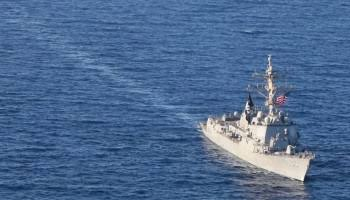
Caribbean Sea — 22 September 2025. The U.S. Navy has bolstered its presence in the Caribbean with the addition of USS Stockdale (DDG-106), bringing the total to eight surface warships currently operating in the region. These vessels are deployed in support of enhanced maritime security, counter-drug missions, and partnership operations with regional allies.
Deployment Details & Mission Purpose
- New asset added: USS Stockdale (DDG-106), a guided-missile destroyer, is the latest ship assigned to bolster naval operations in the Caribbean.
- Total force composition: Alongside Stockdale, there are now seven U.S. Navy surface warships operating in the Caribbean Sea — a mix of destroyers, patrol crafts, and larger combatants.
- Primary mission objectives: These surface warships are supporting multilateral efforts to interdict drug trafficking, maintain maritime domain awareness, assist partner navies in the region, and ensure freedom of navigation. Their assignments include presence patrols, intelligence gathering, and readiness operations.
Strategic Implications & Regional Context
- Deterrence and readiness: The increased naval presence serves as a visible demonstration of U.S. resolve in the Caribbean. It signals to trafficking networks, transnational threats, and potential state actors that the U.S. maintains naval readiness and operational capability in key waterways.
- Allied cooperation: This deployment enhances cooperation with coastal nations and regional maritime forces, often in coordination with multinational frameworks or bilateral agreements. Ensuring secure sea lanes and maritime safety remains a shared concern.
- Maritime security focus: The region’s strategic importance includes proximity to shipping lanes, migration routes, and drug trafficking networks. U.S. warships’ presence is part of a broader, sustained campaign to disrupt illicit traffickers before they reach shores that affect homeland security.
What This Means for Service Members & Blue Star Families
For the sailors aboard these warships, days at sea, watch rotations, patrol operations, and readiness drills test endurance, professionalism, and skill far from home. They carry out these operations knowing that presence and vigilance matter—both tactically and symbolically.
For Blue Star families, the deployment means faith, patience, and pride. The added deployment of Stockdale and other ships increases operational demands and time away, but also underscores the critical role these service members play in safeguarding national security and regional stability.
1-44 ADA Returns Home to Fort Hood After Operation Spartan Shield Deployment
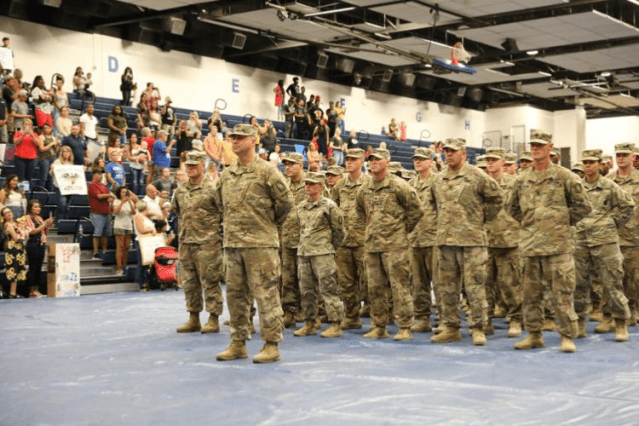
Fort Hood, Texas — 20 September 2025. Soldiers of 1st Battalion, 44th Air Defense Artillery Regiment, 69th Air Defense Artillery Brigade, returned to Fort Hood today after a nine-month deployment providing air and missile defense coverage in support of U.S. Army Central Command’s Operation Spartan Shield. Families and teammates gathered for an uncasing ceremony and reunion that marked the end of a sustained mission in the CENTCOM area of responsibility.
Mission in brief
The “Strike First” battalion spent the past nine months operating in austere and challenging environments to provide integrated air and missile defense for U.S. forces and partnered operations across the region. Their work included radar-cueing, Patriot/area-defense coordination, sustainment of air-defense systems, and close synchronization with joint and coalition air-defense assets to protect bases and lines of operation. The redeployment ends a rotation that contributed to theater deterrence and force protection across multiple countries.
What the deployment involved
Soldiers from 1-44 ADA conducted continuous operations and maintenance on air-defense systems, ran long-range patrol and sensor missions, and coordinated with Army Central and coalition partners to ensure layered defense for U.S. installations and maneuver forces. The unit also participated in multinational exercises and integrated its systems with allied air-defense networks—an increasingly important capability as theater air threats evolve.
The homecoming
The uncasing ceremony at Fort Hood—where the battalion’s colors were formally unfurled—was both symbolic and emotional. Soldiers embraced family members, many meeting young children for the first time after months away. Battalion leaders thanked spouses, employers, and communities for their support during long separations and frequent uncertainty. Video and B-roll of the event are available from Army public affairs channels and DVIDS.
Why this matters
Air-defense rotations like the one 1-44 ADA completed are a core element of U.S. force posture in the CENTCOM region: they protect forward bases, enable air operations, and maintain a deterrent against air and missile threats. Their presence reassures partner nations and keeps lines of logistics and command safe from aerial attack. For individual Soldiers, these deployments sharpen readiness, technical proficiency, and interoperability with allied systems.
Voices from the unit
Command Sgt. Maj. Michael Miller and other leaders spoke at the ceremony about resilience and professionalism. “Whether it’s your first or fifth deployment, you are the reason we have told air defenders, for the past 15 years, to be ready,” one senior leader remarked—underscoring the continuity of mission and the essential character of air-defense units in expeditionary operations.
For families and communities
Returns like this bring relief and reconnection: homecomings restore family routines, let service members resume civilian employment, and allow communities to show appreciation for those who serve. The DVIDS video and Fort Hood public affairs coverage capture the human side of the mission—reunions, the uncasing tradition, and the quiet work of reintegration.
U.S. Plans Storage Facility in Subic Bay to Support Regional Naval Operations
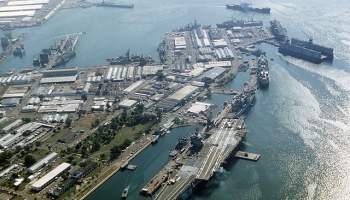
Manila / Subic Bay, Philippines — September 2025. In a strategic move to bolster U.S. naval logistics in Southeast Asia, the U.S. Navy is advancing plans to open a military storage facility in Subic Bay, Philippines. According to recent reports, the facility will leverage portions of the former U.S. naval base to preposition supplies, spare parts, and equipment to support forward-deployed naval assets. (news.usni.org)
What the Plan Involves
- Scope and scale: The Navy is evaluating leasing or using climate-controlled storage in a facility of roughly 19,000 to 33,000 square meters near Subic Bay. The intent is to support operations by keeping critical parts and supplies closer to the region. (news.usni.org)
- Location advantage: Subic Bay was once a central U.S. Navy hub. The base, located along the western coast of Luzon, offers deepwater access and proximity to maritime shipping lanes and regional hotspots in the South China Sea and Western Pacific. Reopening a storage facility there increases logistic flexibility and reduces supply chain strain. (news.usni.org, news.usni.org)
- Timeline: The Navy aims to have the facility operational by summer 2026, balancing lease negotiations, infrastructure retrofit, and alignment with regional force posture plans. (news.usni.org)
Strategic & Operational Impact
- Logistics resilience: Forward storage reduces transit time for spare parts and equipment, especially in times of supply disruption or heightened operational tempo. Ships or aircraft needing maintenance can draw locally instead of pulling from more distant supply chains.
- Sustaining presence: A storage hub supports sustained operations of U.S. and allied ships, drones, or support vessels. It enables quick resupply in contingency scenarios and bolsters maritime readiness.
- Allied interoperability: If structured under existing agreements like EDCA (Enhanced Defense Cooperation Agreement) or similar frameworks, the facility can support allied assets and promote burden sharing in the region.
- Symbolic value: Reestablishing a U.S. logistics foothold in Subic Bay underscores long-term interest in maintaining naval presence and support capability in Southeast Asia.
What It Means for Service Members & Families
For logistics and support personnel, this facility means new assignments in overseas settings, extended deployments or rotations, and work that blends technical maintenance, supply chain management, and coordination with local partners. While they may not always be on the deck of a ship, their mission is foundational — they ensure that naval operations sustain continuity, even in remote theaters.
For Blue Star families, this initiative signals that even behind-the-scenes logistics have strategic weight. The work of supply, repair, staging, and storage is integral to mission success — and service members in these roles deserve equal recognition for enabling front-line operations.
