
RED Friday: Honoring Our Deployed Service Members – January 3, 2025
On this first RED Friday of the new year, the Connecticut Veterans Bulletin takes a moment to recognize and honor the brave men and women of the U.S. military deployed far from home. From the bustling seas of Southeast Asia to the conflict zones of the Middle East, these service members embody the core values of duty, sacrifice, and resilience.
USS Carl Vinson: Strengthening Ties in the Indo-Pacific
As 2024 came to a close, the USS Carl Vinson (CVN-70), a Nimitz-class aircraft carrier, made a historic port call at Port Klang, Malaysia. This visit, part of a broader U.S. effort to bolster partnerships in the Indo-Pacific region, showcased the strength of the U.S.-Malaysia relationship.
The nearly 7,500 sailors of the Carl Vinson Strike Group participated in community engagements, volunteered at local charities, and opened the ship to Malaysian officials. These efforts underscored the importance of cultural exchange in fostering goodwill and mutual understanding. As Rear Adm. Michael Wosje noted, “Malaysia remains a critical partner in maintaining regional security and stability.”
This visit reflects the U.S. Navy’s ongoing commitment to promoting a free and open maritime domain in collaboration with Southeast Asian allies.
Responding to Tensions in the Middle East
Meanwhile, in the Middle East, U.S. troops faced renewed challenges as tensions escalated in Yemen. Following missile attacks on Israel by the Iran-backed Houthi militia, U.S. Central Command launched precision airstrikes on Houthi targets. These operations aimed to protect U.S. allies and deter further aggression.
The nearly 43,000 service members stationed across the region spent the New Year navigating complex missions, balancing the need for security with their hope for peace. Despite the challenges, they continued to serve with distinction, upholding America’s commitment to its allies.
A New Year Far From Home
For many deployed service members, the start of 2025 was marked not by fireworks or family gatherings but by duty and resilience. In locations ranging from the Middle East to Europe and the Indo-Pacific, they found moments of camaraderie and reflection amid their demanding responsibilities.
Base celebrations, shared meals, and video calls with loved ones provided small but meaningful connections to home. In these moments, the strength of their mission and their bonds with one another shone through.
Standing Together on RED Friday
As we wear red today, let us remember the sacrifices made by our deployed troops and their families. Their unwavering dedication serves as a reminder of the freedoms we enjoy and the responsibilities we share in supporting them.
The Connecticut Veterans Bulletin encourages everyone to take a moment to reflect on the contributions of our service members. Whether through a message of thanks, a care package, or simply wearing red, let us show our appreciation for those who stand watch on our behalf.
This RED Friday, we stand united in honoring our heroes abroad and reaffirming our commitment to their well-being. Their service and sacrifice remain a beacon of hope and strength for us all.
USS Carl Vinson Strengthens U.S.-Malaysia Relations with Port Klang Visit
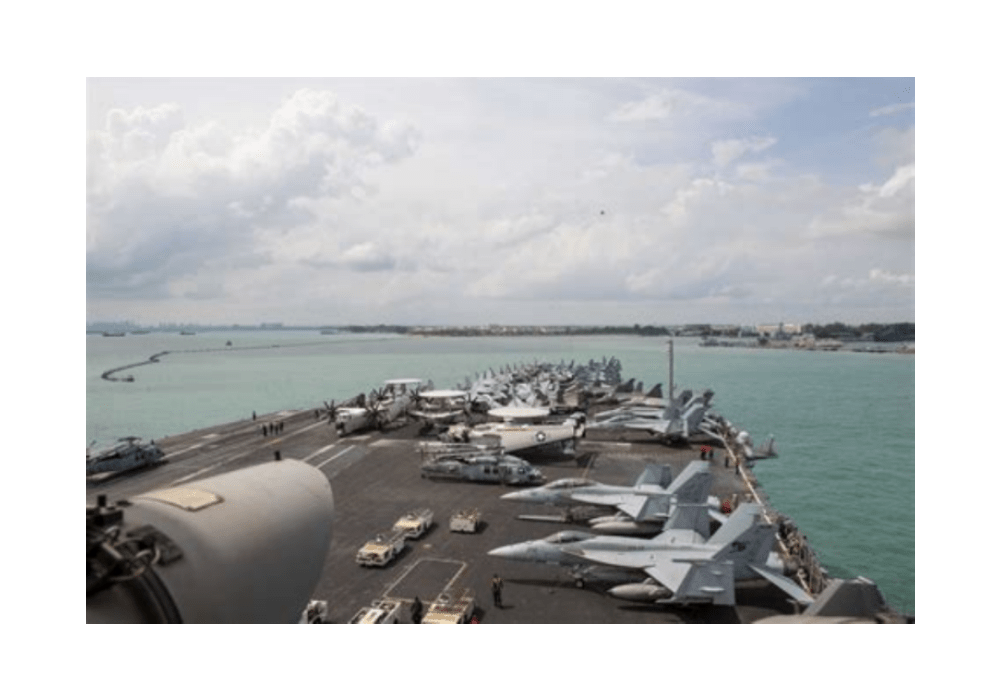
The Nimitz-class aircraft carrier USS Carl Vinson (CVN-70) made a historic port call at Port Klang Cruise Terminal, Malaysia, on December 29, 2024. This significant visit comes just over a month after the USS Abraham Lincoln’s stop in the country, marking a rare occurrence of two U.S. aircraft carriers visiting Malaysia in such close succession. The back-to-back visits underscore a revitalized effort to deepen security and diplomatic ties between the United States and Malaysia, highlighting their growing strategic partnership in the Indo-Pacific region.
A Renewed Partnership in the Indo-Pacific
U.S. Ambassador to Malaysia, Edgard D. Kagan, described these visits as emblematic of the strong bond shared by the two nations. “The U.S.-Malaysia Comprehensive Partnership thrives on close economic, cultural, and security ties, and these port calls reflect our shared commitment to regional stability,” he remarked. Rear Adm. Michael Wosje, commander of Carrier Strike Group One, further emphasized Malaysia’s pivotal role in the Indo-Pacific, calling it a key partner in maintaining a free and open maritime domain.
The USS Carl Vinson’s visit also represents a significant step in reestablishing the U.S. Navy’s operational presence in Southeast Asia. Following challenges posed by past controversies in the region, this visit signals a commitment to renewed collaboration and transparency, reinforcing the trust and cooperation between the two nations.
Cultural Exchange and Community Engagement
During its time at Port Klang, the Carl Vinson Carrier Strike Group (CSG-1), comprising nearly 7,500 sailors, has prioritized cultural exchange and goodwill initiatives. Sailors participated in community service activities, such as volunteering at local animal shelters and supporting the Pure Life Society, which provides care for orphans and underprivileged children. Additionally, Malaysian Navy and government officials were welcomed aboard the carrier, fostering mutual understanding and appreciation.
Capt. Matthew Thomas, commanding officer of USS Carl Vinson, expressed his gratitude for the warm reception. “We are honored to experience the rich culture and history of Malaysia while strengthening our ties with our Malaysian counterparts,” he said. The visit also offered sailors opportunities for recreation, including guided tours of local landmarks, showcasing Malaysia’s vibrant culture and traditions.
Strategic Importance of the Visit
Operating within the U.S. 7th Fleet area of responsibility, the USS Carl Vinson and its strike group play a critical role in maintaining security and stability in the Indo-Pacific. The visit to Malaysia is a testament to the U.S. Navy’s commitment to collaboration with regional partners to address shared challenges and ensure maritime freedom.
The dual carrier visits this year highlight the United States’ renewed focus on fostering stronger ties with Southeast Asian nations. They also signal a return to routine naval operations in the region, reinforcing the U.S. Navy’s readiness and its role as a stabilizing force.
A Path Forward
The USS Carl Vinson’s visit to Malaysia reflects a shared vision for a secure and prosperous Indo-Pacific. Through cultural exchange, community outreach, and strategic dialogue, the U.S. Navy continues to build bridges of cooperation with its Malaysian counterparts. This historic port call not only strengthens bilateral ties but also reaffirms the enduring partnership between the United States and Malaysia in promoting regional peace and stability.
US Strikes Houthi Targets in Yemen Following Missile Attacks on Israel

In the closing days of December 2024, a dramatic escalation in the Middle East unfolded as the United States conducted multiple airstrikes on Houthi targets in Yemen. The strikes, which took place on Monday and Tuesday, December 30 and 31, followed a series of missile launches by the Iran-backed Houthi militia targeting Israel.
The conflict began when the Houthis, officially known as Ansar Allah, fired ballistic missiles toward Israel’s Ben Gurion Airport and a power station near Jerusalem. These attacks were reportedly carried out in solidarity with Palestinians in Gaza, as tensions in the region reached a boiling point. The international community, already on edge due to the escalating situation, responded with a mix of condemnation and calls for restraint.
In retaliation, U.S. Central Command (CENTCOM) launched precision strikes against key Houthi infrastructure. According to military officials, the targeted sites included command and control facilities as well as locations associated with the development and storage of advanced weaponry, such as ballistic missiles and drones. The strikes were concentrated in Yemen’s capital, Sanaa, and along strategic coastal areas, aiming to cripple the Houthis’ ability to threaten maritime and regional security.
General Michael Kurilla, the head of CENTCOM, stated that the operation was necessary to protect U.S. personnel and allies in the region. The strikes also sought to deter further Houthi aggression, particularly in the Red Sea and Gulf of Aden, where the group had previously targeted U.S. Navy ships and commercial vessels.
Despite the U.S.’s justification, the Houthis denounced the strikes. Mohammed Abdulsalam, a spokesperson for the group, declared Yemen’s right to defend itself against what he described as blatant violations of its sovereignty. The Houthis vowed to continue resisting foreign intervention, intensifying fears of prolonged conflict in the region.
Meanwhile, Israel’s response to the missile attacks was unequivocal. Danny Danon, Israel’s Ambassador to the United Nations, warned the Houthis of severe consequences if they persisted in their aggression, likening their potential fate to that of Hamas and Hezbollah. The warnings came amid heightened Israeli military readiness to counter any additional threats.
The situation underscored the intricate web of alliances and animosities in the Middle East. The Houthis’ actions, widely seen as an extension of Iranian influence, added another layer to the region’s volatile dynamics. With U.S. forces now directly involved, the risk of a broader confrontation loomed large.
As 2024 drew to a close, the international community braced for the potential fallout from this latest escalation. The strikes in Yemen marked a stark reminder of the fragile balance in the region, where every act of aggression has the potential to ignite far-reaching consequences.
Deployed U.S. Troops Overseas Welcome New Year 2025 with Resilience and Unity
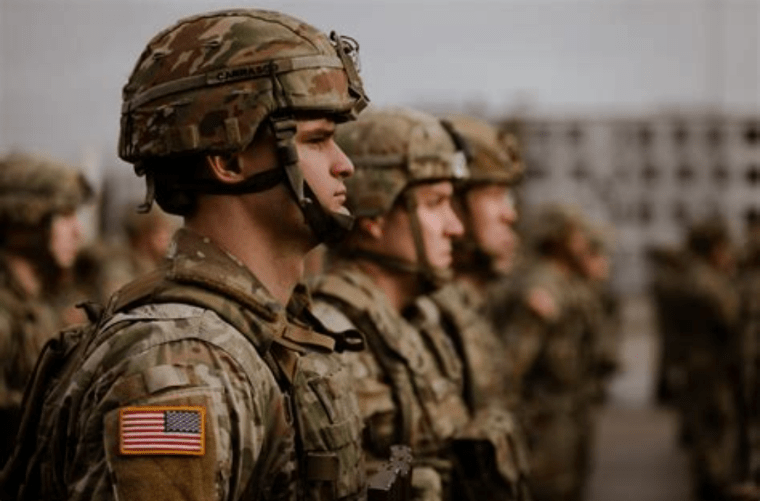
While many Americans celebrated the arrival of 2025 with fireworks, parties, and family gatherings, tens of thousands of U.S. service members stationed around the globe marked the occasion in a very different way. Deployed far from home in the Middle East, Europe, and the Indo-Pacific, these men and women found ways to embrace the New Year with camaraderie, reflection, and a sense of purpose.
Middle East: Duty Amid Conflict
In the Middle East, approximately 43,000 U.S. troops spent New Year’s Eve in regions of heightened tension. From Iraq to Syria and Cyprus, these service members remained focused on missions to counteract threats, deter aggression, and maintain stability.
Even in these challenging environments, the spirit of the season was not lost. Makeshift celebrations took place in safe zones, where troops shared meals provided by military kitchens and organized small gatherings. Some connected with their loved ones via video calls, a lifeline for those missing home. These moments of connection served as a reminder of what they’re protecting: family, freedom, and the hope for a peaceful future.
Europe: Strengthening Alliances
Across Europe, U.S. troops stationed in Germany, Italy, and the United Kingdom brought in the New Year alongside NATO allies. These service members, who are tasked with bolstering defenses and deterring threats, celebrated with a sense of unity that transcended borders.
Base communities organized dinners, sports tournaments, and music events to mark the occasion. In some areas, service members participated in local New Year traditions, further deepening the bonds between U.S. forces and their host nations. Despite the distance from home, the atmosphere was filled with mutual respect and shared hope for the year ahead.
Indo-Pacific: Partnership and Tradition
In the Indo-Pacific, where nearly 83,000 U.S. troops are deployed in locations like South Korea, Japan, and Guam, the New Year was an opportunity to blend cultures. Joint celebrations with allied forces and local communities highlighted the close partnerships that define the region.
Troops stationed in Japan enjoyed traditional New Year meals such as ozoni soup and mochi rice cakes, while those in South Korea participated in activities like kite flying and ringing ceremonial bells. Fireworks displays and base-hosted events offered moments of joy, allowing service members to relax and reflect on their mission’s importance.
The Bonds That Hold
Though far from family, the strength of military camaraderie became a defining feature of these celebrations. For many troops, their fellow service members became a second family, offering support and solidarity in challenging circumstances. Whether through shared meals, quiet reflections, or communal laughter, these bonds helped create a sense of belonging, even in distant lands.
A Message of Gratitude
As the New Year began, messages of thanks from military and national leaders resonated deeply. Deployed troops heard words of appreciation for their sacrifice, reminding them of the impact their service has on their nation and the world.
Back home, communities and organizations like the Connecticut Veterans Bulletin rallied to show support. Care packages, virtual messages, and outreach programs aimed to bridge the gap for those serving overseas and their families.
A New Year of Resolve
For U.S. troops deployed across the globe, New Year’s 2025 was not just a holiday—it was a moment to reaffirm their dedication to their mission and each other. In every corner of the world, their resilience and unity stood as a testament to their unwavering commitment to safeguarding peace and protecting their nation.
As we step into 2025, these service members remind us all of the strength found in service, the power of community, and the hope for a brighter future.
Discover more from CONNECTICUT VETERANS BULLETIN
Subscribe to get the latest posts sent to your email.
