
On this RED Friday, the Connecticut Veterans Bulletin community salutes the dedication and sacrifice of U.S. military personnel serving overseas and the families who stand behind them. Whether advancing security cooperation, conducting precision operations, or training with partners, American service members uphold values of duty and professionalism in complex environments. In this edition, we bring you the latest verified developments involving service members in Syria, West Africa, and Central America — each illustrating a different dimension of service in today’s global security landscape.
U.S. Forces Conduct Precision Strikes Against ISIS in Syria
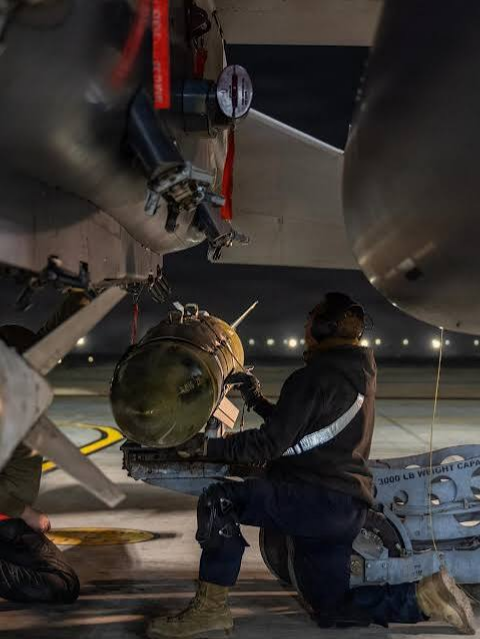
On January 10, 2026, U.S. Central Command confirmed that precision strikes were executed against Islamic State (ISIS) targets across Syria as part of ongoing operations targeting extremist networks. Reuters reporting indicates the strikes involved multiple precision-guided munitions and coordinated action with partner forces in the region.
U.S. troops remain present in Syria, estimated at around 1,000 personnel, primarily focused on counter-ISIS missions, advising local partners, and supporting stability operations. Though the strikes address remnants of the extremist group’s infrastructure, they emphasize the continuing risk landscape in a part of the world long impacted by conflict.
Operational and Technical Details
Public reporting has not listed the exact units involved, but typical U.S. assets used in such strikes include:
F-15E Strike Eagle aircraft, capable of long-range precision attacks.
MQ-9 Reaper drones, providing persistent surveillance and strike capability.
Joint Terminal Attack Controllers (JTACs) embedded with partner forces to guide munitions and enhance target accuracy.
These platforms reflect how U.S. forces combine manned and unmanned systems to mitigate risk and maximize precision.
Geography and Civilian Context
Syria’s terrain — from the desert plains of Deir ez-Zor to the urban arenas of Aleppo — presents a challenging operational environment. Civilians in many areas continue rebuilding efforts, with intermittent access to basic services like electricity and clean water. The presence of U.S. forces and local partner units contributes to localized stability, even as broader political solutions remain elusive.
Looking Ahead
It is reasonable to expect that precision operations may continue as coalition intelligence identifies emerging threats. Sustained efforts could help suppress the potential for large-scale extremist resurgence, while partner force building remains essential for long-term regional security.
U.S. Bolsters Nigerian Security Capabilities With Military Supplies
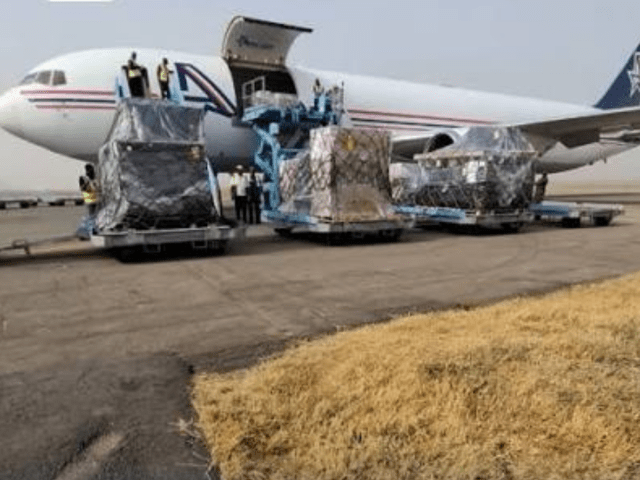
On January 13, 2026, the United States delivered military supplies to Nigerian forces in Abuja, strengthening a security partnership under U.S. Africa Command (AFRICOM). The supplies are intended to assist Nigeria’s military in ongoing operations against insurgent and criminal groups, including Islamic State West Africa Province (ISWAP) and Boko Haram factions.
Nigeria’s Security Environment
Nigeria — Africa’s most populous nation, with over 225 million people — faces entrenched security challenges across its northern regions. In the northeast, prolonged insurgency has disrupted daily life, education, and commerce. Maiduguri and neighboring towns have endured repeated attacks, displacements, and economic instability.
In the northwest, armed banditry and organized crime complicate efforts to restore safe travel corridors and agricultural productivity.
What the Support Entails
Although the specific items delivered were not publicly detailed, such military assistance often includes:
Communications and command equipment
Light tactical vehicles
Protective gear
Logistics support systems
Such tools aim to improve mobility, coordination, and effectiveness for Nigerian forces operating in challenging, dispersed terrain.
Strategic Implications
This cooperation builds on broader efforts to enhance partner capacity without resorting to large-scale U.S. combat deployments. If current trends continue, it could be reasonable to expect expanded joint training, advisory exchanges, and enhanced intelligence sharing that further integrate U.S. and Nigerian operational planning.
U.S. Marines Join Panama for Canal Defense Training
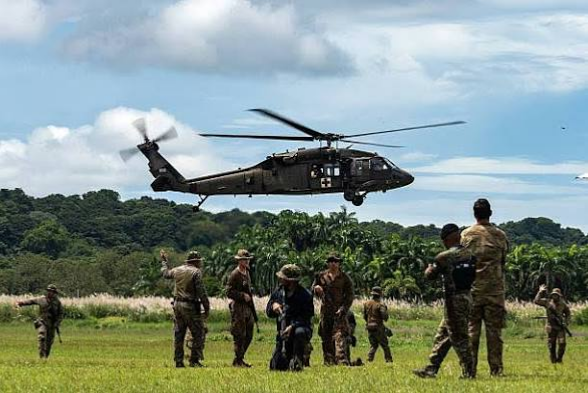
On January 12, 2026, approximately 50 U.S. Marines deployed to Panama to begin joint Canal defense training with Panamanian security forces. The exercises focus on maritime security, logistics coordination, and operational interoperability around the Panama Canal, a strategic waterway vital to global commerce.
Strategic Importance of the Panama Canal
The Panama Canal — stretching approximately 50 miles across the Isthmus of Panama — connects the Caribbean Sea to the Pacific Ocean, shortening maritime journeys and supporting global supply chains. Since Panama assumed full control of the Canal in 1999, it has remained a central pillar of international trade and regional security.
Training takes place at locations such as:
Admiral Cristóbal Colón Naval Air Base on the Caribbean coast.
Naval Base Commander Noel Antonio Rodríguez Justavino near Panama City.
Panamanian units involved include the National Aeronaval Service (SENAN), National Police, and Senafront (border security forces), reflecting a comprehensive approach to territorial and maritime defense.
Culture, Geography, and Local Context
Panama’s capital, Panama City, sits at the Pacific end of the Canal. It blends modern urban life with tropical rhythms, reflecting Afro-Caribbean influences on the Caribbean coast and Spanish colonial heritage toward the Pacific. The Canal itself runs through Lake Gatun — a man-made freshwater lake rich in biodiversity and intersected by locks that raise and lower vessels between oceans.
The terrain where Marines and Panamanian forces train ranges from dense jungle to coastal plains, providing varied environments for tactical exercises and operational readiness.
What This Training Could Lead To
Given the Canal’s geopolitical significance and the complexity of modern security challenges, expanded cooperative exercises could build stronger rapid response capabilities for natural disasters, maritime interdiction, and infrastructure protection. Enhanced interoperability may also set the stage for broader professional exchanges between U.S. forces and Western Hemisphere partners.
Discover more from CONNECTICUT VETERANS BULLETIN
Subscribe to get the latest posts sent to your email.
