
As the conflict between the United States and Iran continues into mid-March 2026, American service members remain deployed across the Middle East carrying out a wide range of missions aimed at protecting U.S. forces, defending allied nations, and maintaining stability in one of the world’s most volatile regions. Military officials have confirmed that more than 50,000 U.S. troops are currently involved in operations related to the conflict, with forces stationed across several countries throughout the U.S. Central Command area of responsibility.
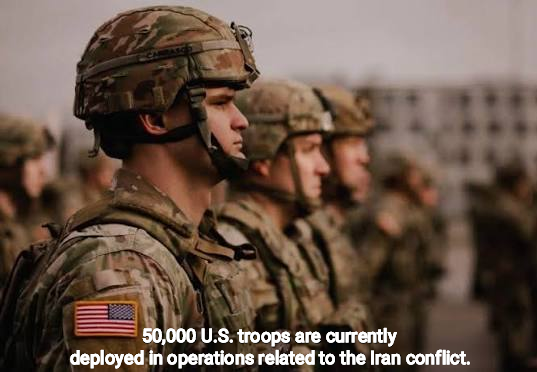
The conflict began with coordinated strikes by the United States and Israel against Iranian military infrastructure on February 28, 2026. Since that time, Iran has launched repeated retaliatory attacks using missiles and drones against U.S. bases and regional targets. American military personnel stationed throughout the region have been directly exposed to these threats while maintaining defensive and operational missions.
According to the U.S. Department of Defense, approximately 140 American service members have been wounded during the conflict, though most injuries have been described as minor. Pentagon officials reported that 108 of those injured troops have already returned to duty, while eight remain seriously injured and continue receiving advanced medical treatment.
The conflict has also resulted in the loss of American lives. Reports confirm that seven U.S. service members have been killed during the war, including six soldiers killed during an Iranian drone strike on a U.S. military position in Kuwait. Another American service member died following an earlier attack connected to the expanding regional hostilities.
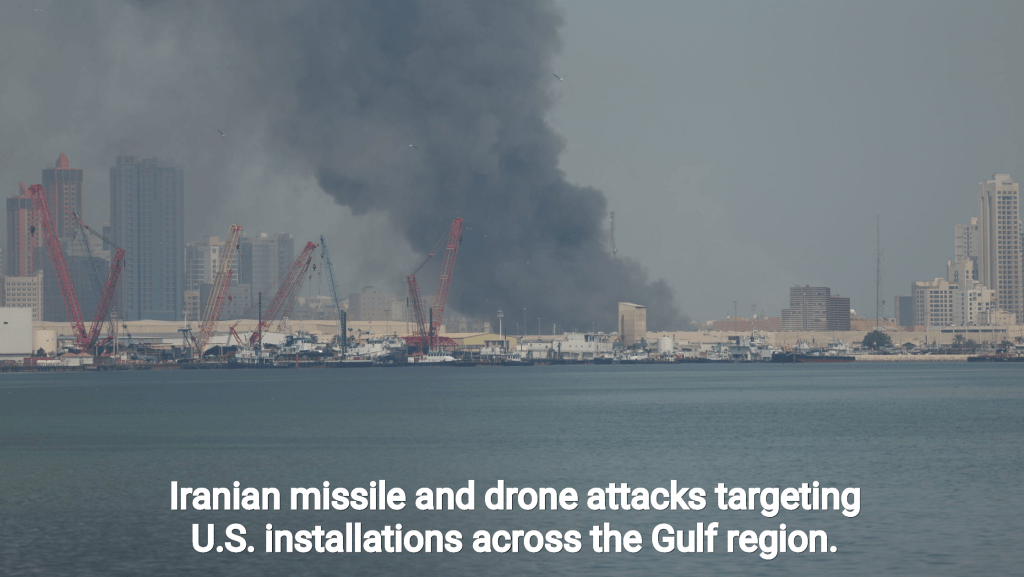
One of the most significant dangers facing American troops has come from Iranian missile and drone attacks targeting U.S. installations across the Gulf region. Military officials have confirmed that bases and facilities used by American forces in several countries have been struck or targeted during these retaliatory attacks, underscoring the ongoing risk facing service members deployed there.
American forces have responded with a sustained campaign aimed at degrading Iran’s ability to launch additional attacks. U.S. military operations have targeted missile launch infrastructure, drone production facilities, and other components of Iran’s military network. Officials say these strikes have significantly reduced the number of missiles and drones Iran has been able to launch in recent days.
Naval operations have also played an important role in the ongoing conflict. U.S. military officials reported that American forces destroyed 16 Iranian vessels believed to be capable of laying naval mines, a move intended to prevent threats to international shipping lanes in the Persian Gulf and the Strait of Hormuz.
These waterways remain some of the most strategically important routes in the world for global energy transportation. Protecting them has long been one of the central missions of U.S. naval forces operating in the region. Any attempt to disrupt traffic through the Strait of Hormuz would have major implications for international trade and energy markets.
Air operations have also intensified as the campaign has progressed. U.S. defense officials announced that some of the most intense airstrikes of the conflict occurred during the second week of March, when American bombers and strike aircraft launched a major wave of attacks targeting Iranian military capabilities.
Military leaders have indicated that these operations are focused on reducing Iran’s capacity to continue launching attacks while protecting American personnel and allied nations. Despite the intensity of the fighting, officials have stated that the goal of the campaign is not a prolonged war but rather the neutralization of specific military threats posed by the Iranian regime.
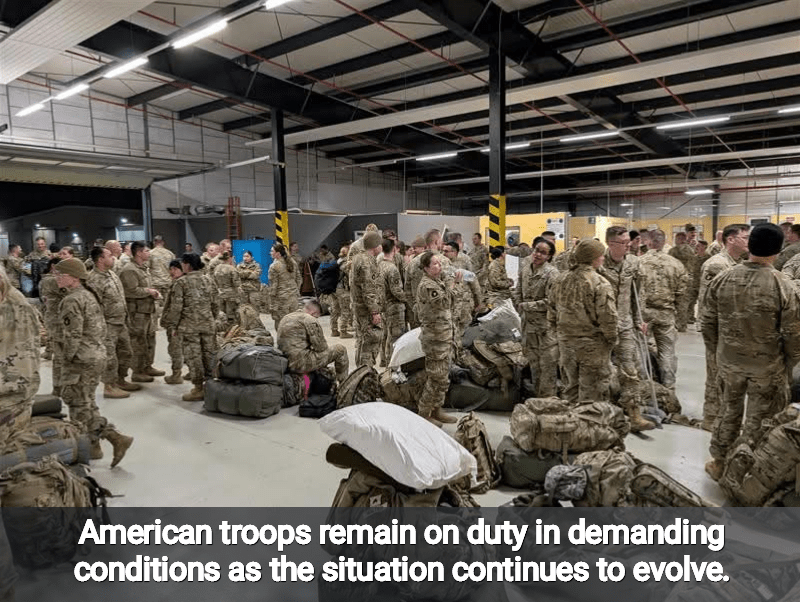
Across the region, American troops remain on duty in demanding conditions as the situation continues to evolve. Many of these service members have been stationed overseas for extended periods, serving far from their families while carrying out missions that often place them directly in harm’s way.
For families at home, especially the Gold Star and Blue Star families who understand the cost of military service, each update from the region carries deep personal meaning. Their strength and resilience remain an essential part of the nation’s support for those who serve.

This RED Friday serves as a reminder that thousands of American service members remain deployed tonight across distant bases, ships, and airfields. While the world watches the headlines, these men and women continue performing their duties with professionalism and dedication.
As we reflect on the events unfolding overseas, we remember those who stand watch in defense of the United States and the allies who depend on them.
Remember Everyone Deployed.
Discover more from CONNECTICUT VETERANS BULLETIN
Subscribe to get the latest posts sent to your email.
