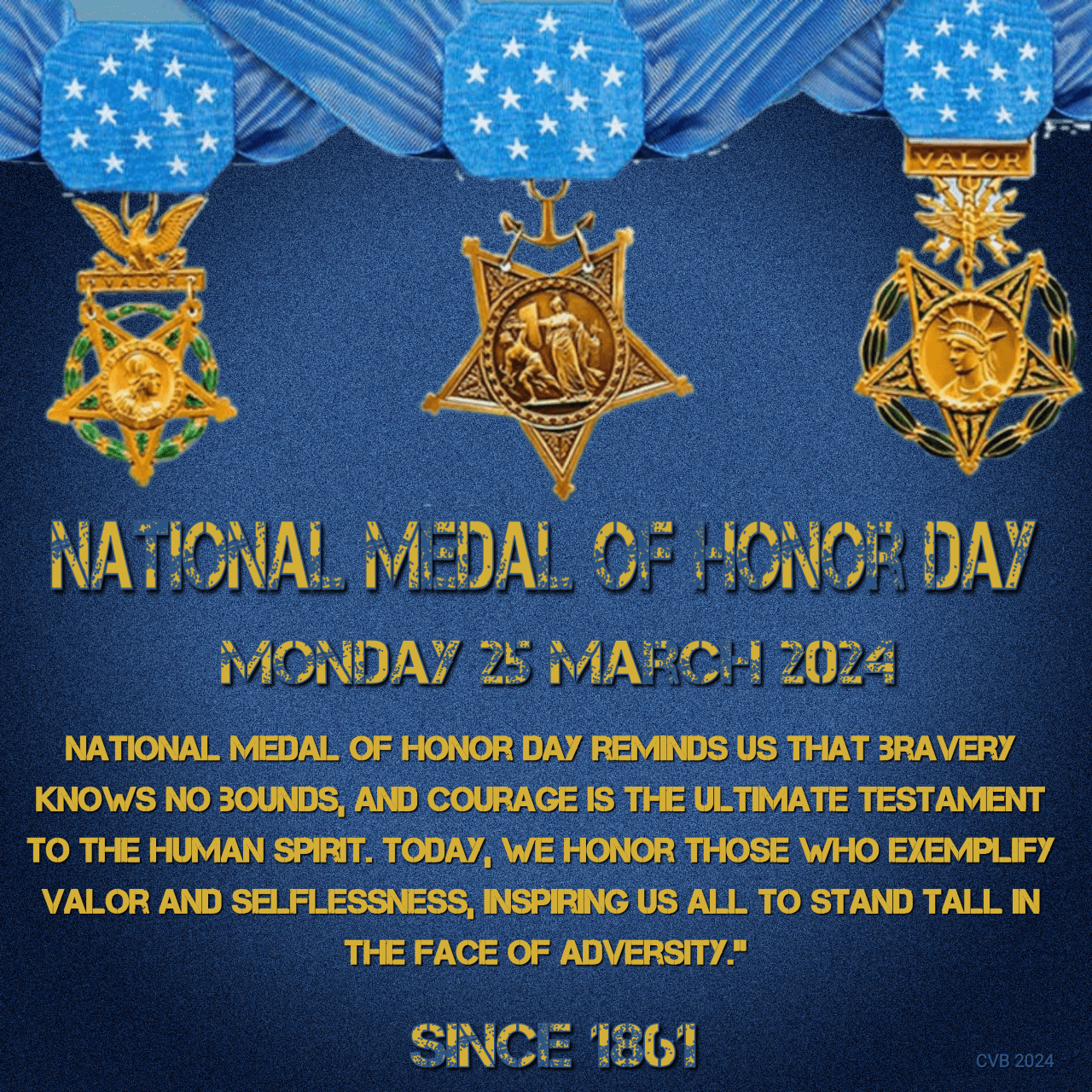
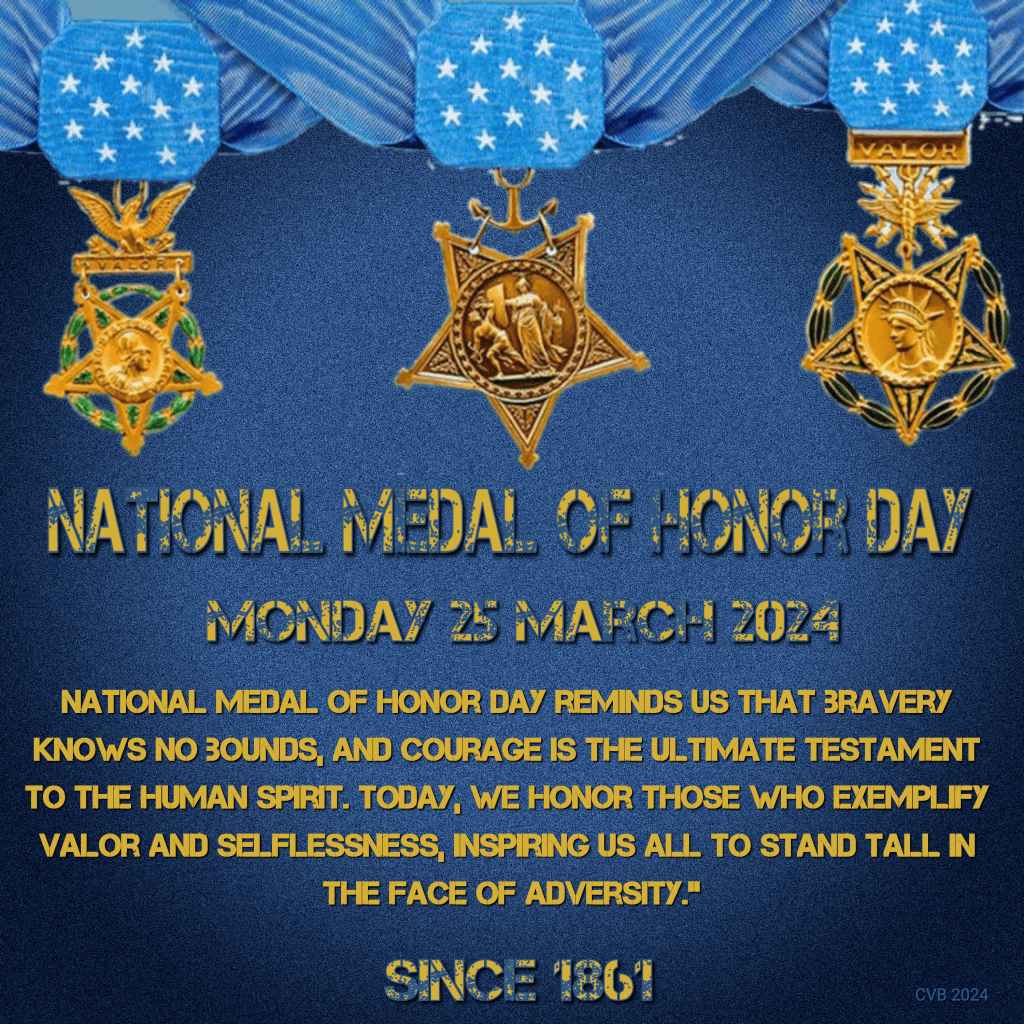
The Medal of Honor stands as a beacon of valor and gallantry, embodying the highest ideals of service and sacrifice in the American military tradition. From its inception during the tumultuous years of the Civil War, it has been a symbol of the extraordinary courage and selflessness exhibited by its recipients. The origins of the Medal of Honor trace back to a legislative act introduced by Iowa Senator James W. Grimes in 1861, with the aim of promoting the efficiency of the Navy by recognizing the gallantry and seaman like qualities displayed by enlisted men during the conflict. This initiative was soon followed by the creation of an Army version of the Medal, championed by Massachusetts Senator Henry Wilson, ensuring that acts of valor across all branches of the military were acknowledged.
Over the years, the criteria and design of the Medal of Honor have evolved, reflecting the changing nature of warfare and the expanding understanding of heroism. Initially awarded for actions during the Civil War, the scope of eligibility has widened to include military personnel who distinguish themselves in various types of engagements, including actions against an enemy of the United States, military operations involving conflict with opposing foreign forces, and serving with friendly forces in armed conflict where the U.S. is not a belligerent party.
The Medal of Honor’s design has undergone several changes since its first issuance, from the original flag-inspired ribbon to the current light blue ribbon adorned with thirteen stars for the Army and the distinctive designs for the Navy, Air Force, and Coast Guard. Yet, despite these alterations, the Medal’s core symbolism—a recognition of conspicuous gallantry and intrepidity at the risk of life above and beyond the call of duty—has remained constant.
The rigorous selection process for the Medal of Honor ensures that it is reserved for those who have truly performed above and beyond the call of duty. Recommendations must be made within three years of the act of valor, and the Medal must be presented within five years, barring special congressional action. This process involves thorough documentation of the act, including eyewitness accounts and a detailed report of the battlefield context, culminating in approval by the President of the United States.
Since its creation, over 3,500 Medals of Honor have been awarded, with more than 40% of these for actions during the American Civil War. Today, the Medal not only honors those who have displayed exceptional valor but also serves as a lasting symbol of the courage, commitment, and sacrifice that define the United States Armed Forces. National Medal of Honor Day, observed annually on March 25th, provides a moment to reflect on the profound impact of these heroes, whose legacies inspire continued excellence and bravery in service to the nation. Through their stories, the Medal of Honor teaches us about the depths of human courage and the unwavering spirit of American resilience and honor.
