

On this historic day, let’s dive deeper into the founding of the Marine Corps and its pivotal role in our nation’s history. 🦅
🗓️ Founding on November 10, 1775:
The Birth of the United States Marine Corps: A Legacy of Service and Valor
Founding on November 10, 1775
In the crucible of the American Revolution, amidst the fervor for independence and the call to arms against British rule, a pivotal moment in military history unfolded. On November 10, 1775, during the Second Continental Congress held in Philadelphia, Pennsylvania, a resolution was passed that would forever shape the course of American military prowess: the creation of the Continental Marines.
Historical Context
The American colonies were embroiled in a struggle for freedom, facing off against the might of the British Empire. Recognizing the need for specialized forces to protect naval vessels, assist in amphibious operations, and secure critical positions on land, the Continental Congress took decisive action. They resolved to establish what would become the United States Marine Corps, marking November 10, 1775, as its official birthdate.
Mission and Purpose
From its inception, the mission of the Continental Marines was clear and unwavering: to serve as a versatile and elite force capable of operating both at sea and on land. Their primary tasks included providing shipboard security, conducting amphibious assaults, and supporting ground operations alongside the Continental Army. This multifaceted role highlighted their adaptability and readiness to engage in diverse combat scenarios, laying the foundation for their future role as America’s premier expeditionary force.
Early Challenges and Triumphs
In the early years of their formation, the Continental Marines faced numerous challenges typical of any nascent military unit. They navigated through logistical hardships, evolving tactics, and the harsh realities of wartime conditions. Yet, despite these trials, they quickly earned a reputation for bravery, resilience, and steadfast dedication to the cause of liberty.
One of their earliest engagements, notably during the Battle of Nassau in 1776, showcased their effectiveness in amphibious warfare. Working alongside Continental Army forces, the Marines executed a daring raid on British-held Nassau in the Bahamas, securing critical supplies and munitions that bolstered the Revolutionary War effort. This operation underscored their pivotal role in supporting naval and ground operations, earning them admiration and respect from their fellow soldiers and commanders.
Legacy and Evolution
The birth of the United States Marine Corps on November 10, 1775, marked not only the creation of a military institution but also the birth of a legacy rooted in honor, courage, and commitment. Throughout its storied history, the Marine Corps has evolved into a symbol of America’s resolve and readiness to defend its values both at home and abroad.
From the hallowed grounds of Tripoli to the jungles of Vietnam, and the deserts of Iraq and Afghanistan, Marines have consistently exemplified the ethos encapsulated in their motto, “Semper Fidelis” — Always Faithful. They have stood firm in the face of adversity, forged bonds of brotherhood, and upheld a tradition of excellence that continues to inspire generations of Marines.
Today, as the Marine Corps celebrates its founding on November 10th each year, it honors not only its storied past but also reaffirms its commitment to defending freedom, upholding justice, and protecting the nation it proudly serves.
Conclusion
The birth of the United States Marine Corps on November 10, 1775, remains a testament to the visionary leadership and unwavering determination of those who sought to forge a nation free from tyranny. From humble beginnings as a small naval infantry, the Marine Corps has grown into a formidable force renowned for its elite capabilities and steadfast devotion to duty. As we reflect on its founding, we celebrate not only its illustrious history but also the timeless values that continue to define the spirit of the Marine Corps — a spirit that endures in every Marine who proudly wears the Eagle, Globe, and Anchor.
In honoring the birth of the Marine Corps, we pay homage to all Marines past and present who have answered the call to serve with courage, dedication, and unwavering loyalty.
Although the original Tun Tavern is long gone, its legacy endures within Marine Corps lore. Each year, on November 10, Marines across the world celebrate the founding of their beloved Corps, toasting not only to its distinguished history but also to the place where it all began. Tun Tavern represents more than just a physical location — it is a symbol of the enduring spirit, values, and traditions that have guided the Marine Corps through centuries of service to the United States.
The Legendary Tun Tavern: Birthplace of the United States Marine Corps
When delving into the origins of the United States Marine Corps, one cannot overlook the iconic and storied Tun Tavern. Located in Philadelphia, Pennsylvania, Tun Tavern is not only recognized as a popular gathering spot in colonial times but holds a sacred place in Marine Corps history as the birthplace of this elite fighting force. It was here, in the warmth of its walls and over the camaraderie shared among its patrons, that the first Marines were recruited, setting the stage for what would become a centuries-old tradition of brotherhood, service, and sacrifice.
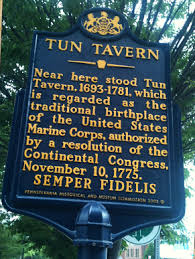
The Role of Tun Tavern in Marine Corps History
On November 10, 1775, the Second Continental Congress passed a resolution calling for the formation of two battalions of Marines. To execute this order, Captain Samuel Nicholas, considered the first Commandant of the Marine Corps, was tasked with leading the recruitment efforts. The bustling atmosphere and central location of Tun Tavern made it the perfect place to attract able-bodied men willing to serve the cause of liberty.
Owned by Robert Mullan, who would later become the chief recruiter for the Continental Marines, Tun Tavern became the de facto recruitment headquarters. It is said that Mullan’s influence, paired with the tavern’s reputation as a favorite gathering place for sailors, patriots, and adventurers, provided fertile ground for assembling the first Marines. Over pints of ale and spirited conversation, the first men enlisted in the service of the Continental Navy and Marine Corps, answering the call to defend the fledgling nation in its fight for independence.
Spirit of Camaraderie and Dedication
More than just a recruitment station, Tun Tavern symbolized the core values that would come to define the Marine Corps — camaraderie, loyalty, and dedication to duty. The close-knit environment fostered a sense of brotherhood among the newly enlisted Marines. These men, drawn together by a shared purpose, formed bonds that would carry them through the trials of war. This spirit of unity, born in a humble tavern in Philadelphia, is what continues to shape the Marine Corps today.
Throughout its history, the Marine Corps has prided itself on the strength of its brotherhood. Just as the early Marines gathered around the tables at Tun Tavern, modern Marines build connections forged in training, combat, and service to one another. The esprit de corps that began in the birthplace of the Marines is now a fundamental aspect of the organization’s ethos, captured in the motto “Semper Fidelis” — Always Faithful.
Influence on Marine Corps Values and Traditions
Tun Tavern’s legacy extends beyond its role in the formation of the Marine Corps; it also set the tone for the values and traditions that define the Corps today. The sense of belonging and loyalty that emerged from the tavern has evolved into the Marine Corps’ emphasis on teamwork and mission-focused unity. Marines are trained to rely on each other, just as those first enlistees had to depend on their fellow men during the uncertain and dangerous days of the American Revolution.
Moreover, the spirit of dedication and perseverance, first nurtured within the walls of Tun Tavern, remains a cornerstone of the Corps. From the rigorous demands of boot camp to the sacrifices made in combat, Marines are instilled with a commitment to excellence and a sense of purpose that echoes the dedication of those first Continental Marines.
A Lasting Legacy
In Marine Corps celebrations, the phrase “Born in a bar, raised in a tavern” is a nod to this unique and humble beginning. The tavern’s spirit of camaraderie, brotherhood, and unwavering loyalty has been woven into the very fabric of the Marine Corps. As long as there are Marines, the memory of Tun Tavern will live on, a reminder of the Corps’ proud beginnings and the timeless values that continue to guide it forward.
🛡️ Mission and Role:
The United States Marine Corps: America’s Rapid-Response and Crisis-Containment Force
The United States Marine Corps has long stood as the nation’s premier rapid-response, crisis-containment force, embodying the motto “First to Fight.” Since their inception in 1775, the Marines have earned a reputation for their exceptional versatility, readiness, and unparalleled ability to respond to crises anywhere in the world. Whether on land, at sea, or in the air, Marines are trained and equipped to protect the nation’s interests, preserve freedom, and carry out complex operations under the most challenging conditions.
First to Fight: The Marines’ Role in Global Defense
As America’s expeditionary force-in-readiness, the Marine Corps is designed to be the first on the ground during moments of conflict or crisis. This role is rooted in their proud history, where they have consistently served on the front lines, engaging adversaries in battle and stabilizing volatile situations. From storming the beaches of Iwo Jima during World War II to modern-day operations in the Middle East, Marines are often the first military personnel to arrive, assess, and respond to emergent threats.
The phrase “First to Fight” is more than a slogan; it encapsulates the Marines’ readiness to confront challenges head-on. Whether responding to natural disasters, combatting terrorism, or executing humanitarian missions, the Corps is capable of deploying rapidly and effectively. The ability to act swiftly and decisively enables the Marines to serve as a vital tool in America’s national security strategy, providing a force capable of handling a wide range of military contingencies.
Versatility in All Domains: Land, Sea, and Air
One of the defining characteristics of the Marine Corps is its versatility across all domains of warfare. Marines are trained to operate in any environment, be it on the battlefield, in the air, or aboard naval vessels. This unique capability allows them to conduct a wide array of operations, including amphibious assaults, urban combat, air support, and special operations.
The Marine Corps’ close integration with the U.S. Navy further enhances their ability to project power globally. Marines are frequently deployed on ships as part of Marine Expeditionary Units (MEUs), which serve as forward-deployed crisis-response forces. These units are equipped with infantry, aviation, logistics, and support elements, making them highly self-sufficient and capable of responding to diverse threats, from conflict escalation to peacekeeping missions. The partnership with the Navy ensures that Marines can deploy quickly to any corner of the globe, supported by naval power and infrastructure.
In addition to their sea-based operations, the Marine Corps also maintains a robust aviation component. Marine aviators provide air support to ground forces, conduct reconnaissance, and engage in air combat. The flexibility of having air, land, and sea capabilities allows the Marine Corps to adapt to any combat or mission environment, making them one of the most dynamic branches of the U.S. Armed Forces.
Rapid-Response Force: Readiness at a Moment’s Notice
The hallmark of the Marine Corps is its readiness. The Corps prides itself on being able to deploy at a moment’s notice, a capability critical to addressing unexpected crises and defending national interests abroad. The constant state of readiness is maintained through rigorous training, rapid mobilization protocols, and a commitment to maintaining combat forces at the highest levels of preparedness.
This readiness was evident during operations such as the Korean War, where Marines quickly deployed to the Pusan Perimeter to help turn the tide of battle, or in the Gulf War, where they led the charge in liberating Kuwait. Marines are often positioned in strategic locations around the world, ensuring they can respond within hours to threats or disasters. Whether in times of war or peace, the Marine Corps’ readiness makes it a vital force for immediate action.
Expeditionary Force: Protecting National Interests Worldwide
As an expeditionary force, the Marine Corps is forward-deployed and forward-engaged, prepared to respond to crises in any part of the world. They are America’s “force in readiness,” tasked with being constantly prepared to deploy wherever and whenever needed. This global presence enables the Marines to safeguard U.S. interests and maintain stability in regions that are critical to national security.
In times of conflict, Marines lead from the front lines, conducting amphibious landings and other initial assault operations that pave the way for broader military campaigns. Their unique skill set allows them to quickly secure beachheads, airstrips, or other strategic positions, establishing a foothold for follow-on forces. In peacekeeping and humanitarian operations, Marines provide essential services, from disaster relief to conflict mediation, further reinforcing their role as guardians of global stability.
Preserving Freedom Through Service and Sacrifice
The Marine Corps’ role as the nation’s rapid-response force goes beyond combat. Whether combating aggression, assisting allies, or providing humanitarian relief, Marines are committed to preserving the freedoms and values upon which the United States was founded. Their dedication to duty and willingness to go wherever needed speaks to the Corps’ enduring mission to serve as the frontline defense for the American way of life.
At the heart of this mission lies the Marines’ unwavering commitment to the principles of honor, courage, and commitment. These core values guide every Marine, from the newest recruit to the most seasoned general, in their pursuit of excellence and service to the nation. It is this commitment that has earned the Marine Corps the respect and admiration of both the American public and their global allies.
In summary, the United States Marine Corps stands as the nation’s rapid-response and crisis-containment force, embodying the spirit of readiness, versatility, and service that has defined it for nearly 250 years. As the “First to Fight,” the Marines have proven time and again that they are prepared to defend America’s interests anywhere in the world, safeguarding the freedoms and values that make the nation strong.
🤝 Call to Action:
Today, let’s take a moment to thank a Marine for their service and sacrifice. Your appreciation means the world to them. Additionally, consider supporting organizations that assist veterans as they transition back to civilian life. Your generosity can make a significant impact on their journey.
🌟 Notable Marines 🌟
Chesty Puller: The Epitome of Marine Corps Legend
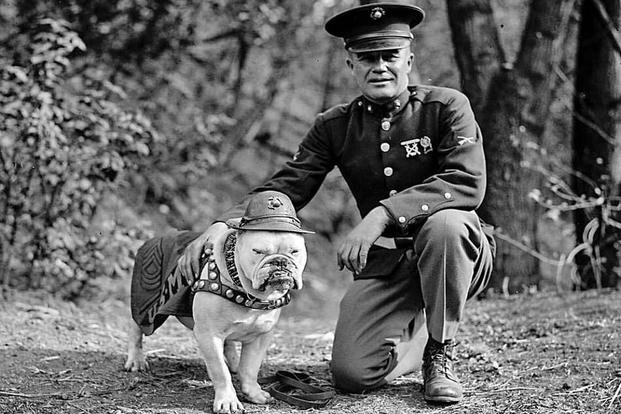
Lieutenant General Lewis Burwell “Chesty” Puller remains one of the most revered figures in the history of the United States Marine Corps. Known for his unmatched leadership, courage under fire, and fierce loyalty to his troops, Puller’s legacy is forever etched in Marine Corps lore. As the most decorated Marine in U.S. history, his name has become synonymous with the values of bravery, determination, and excellence in combat.
A Career of Unparalleled Bravery: Five Navy Crosses
Chesty Puller’s distinguished career saw him awarded the Navy Cross five times, a feat unmatched in the history of the Marine Corps. The Navy Cross is the second-highest military decoration for valor, given for extraordinary heroism in combat, and Puller earned this prestigious honor for actions during both World War II and the Korean War. His leadership in the most difficult and dangerous situations exemplified the Marine ethos of never backing down, no matter the odds.
From his early days leading small detachments in Nicaragua and Haiti to commanding entire regiments in the Pacific theater, Puller consistently demonstrated a fearless commitment to his mission and his men. His unyielding spirit and battlefield tactics were instrumental in securing victories that seemed impossible. He inspired Marines with his ability to lead from the front, often placing himself in the same perilous situations as his troops, earning their respect and loyalty in return.
Leadership in World War II
During World War II, Chesty Puller gained fame for his exemplary service in some of the most brutal and pivotal battles in the Pacific. Leading the 1st Marine Regiment during the Guadalcanal campaign, Puller’s aggressive tactics helped fend off enemy forces during desperate engagements. His ability to maintain discipline and morale in the face of overwhelming adversity earned him his first two Navy Crosses.
One of the most famous examples of Puller’s leadership came during the Battle of Guadalcanal in 1942. When his men were outnumbered and facing relentless Japanese assaults, Puller’s strategic brilliance and fierce determination were critical to holding their position. His calm under pressure and refusal to retreat, even when all seemed lost, allowed his regiment to repel the enemy and protect vital American positions. His leadership during the Guadalcanal campaign set the standard for Marine Corps combat strategy in the Pacific theater.
Heroism in the Korean War
Chesty Puller’s legendary status was further solidified during the Korean War, where he led Marines through some of the most grueling and harrowing battles of the conflict. His most famous engagement came during the Battle of Chosin Reservoir in 1950, a brutal winter battle against overwhelming Chinese forces. Facing encirclement and temperatures as low as -35°F, Puller’s 1st Marine Division was outnumbered by enemy troops who sought to destroy them. Puller, however, was undeterred, famously stating, “We’re surrounded. That simplifies our problem.”
Despite the dire circumstances, Puller’s tactical genius and leadership allowed his Marines to break through enemy lines and retreat in good order, inflicting heavy losses on the Chinese forces in the process. His ability to rally his men and execute a strategic withdrawal under extreme conditions earned him his fifth Navy Cross, as well as the undying admiration of his fellow Marines. The Chosin Reservoir campaign became a defining moment in the Marine Corps’ legacy, and Puller’s actions there cemented his place as a Marine Corps icon.
Unwavering Devotion to His Troops
Perhaps more than any other quality, it was Chesty Puller’s unwavering devotion to the welfare of his men that earned him legendary status. He was known for his insistence on sharing in the hardships faced by his Marines, whether it was sleeping in the same conditions, eating the same rations, or standing alongside them on the front lines. His willingness to endure the same dangers and discomforts as his troops inspired immense loyalty and respect, fostering an unbreakable bond of trust between Puller and the Marines he led.
Puller’s tough love and unflinching discipline were tempered by his genuine care for his men. He believed in setting the highest standards for himself and those under his command, yet he also understood the importance of compassion and empathy. This balance made him not only a fearsome warrior but also a beloved leader. His men knew that he would fight for them, both on and off the battlefield.
Legacy of Chesty Puller
Chesty Puller’s legacy extends beyond the medals and accolades he earned in battle. He has become a symbol of Marine Corps excellence, embodying the core values of honor, courage, and commitment. To this day, Marines draw inspiration from his life and leadership, with his name invoked in boot camp and Marine traditions as a source of motivation and pride. The famous chant, “Goodnight, Chesty, wherever you are,” is still heard at the end of the day as Marines honor his enduring spirit.
Puller’s dedication to his mission, his tactical brilliance, and his devotion to the well-being of his Marines have made him a legend not only within the Marine Corps but also throughout the broader military community. His life serves as a testament to the courage and resilience required to lead in the face of overwhelming odds, and his example continues to guide Marines in their pursuit of excellence.
In summary, Chesty Puller stands as the epitome of Marine Corps legend. His heroic actions in World War II and the Korean War, combined with his extraordinary leadership and commitment to his men, have made him one of the most iconic figures in U.S. military history.
The Trailblazing Legacy of Colonel Ruth Cheney Streeter: First Director of the Marine Corps Women’s Reserve
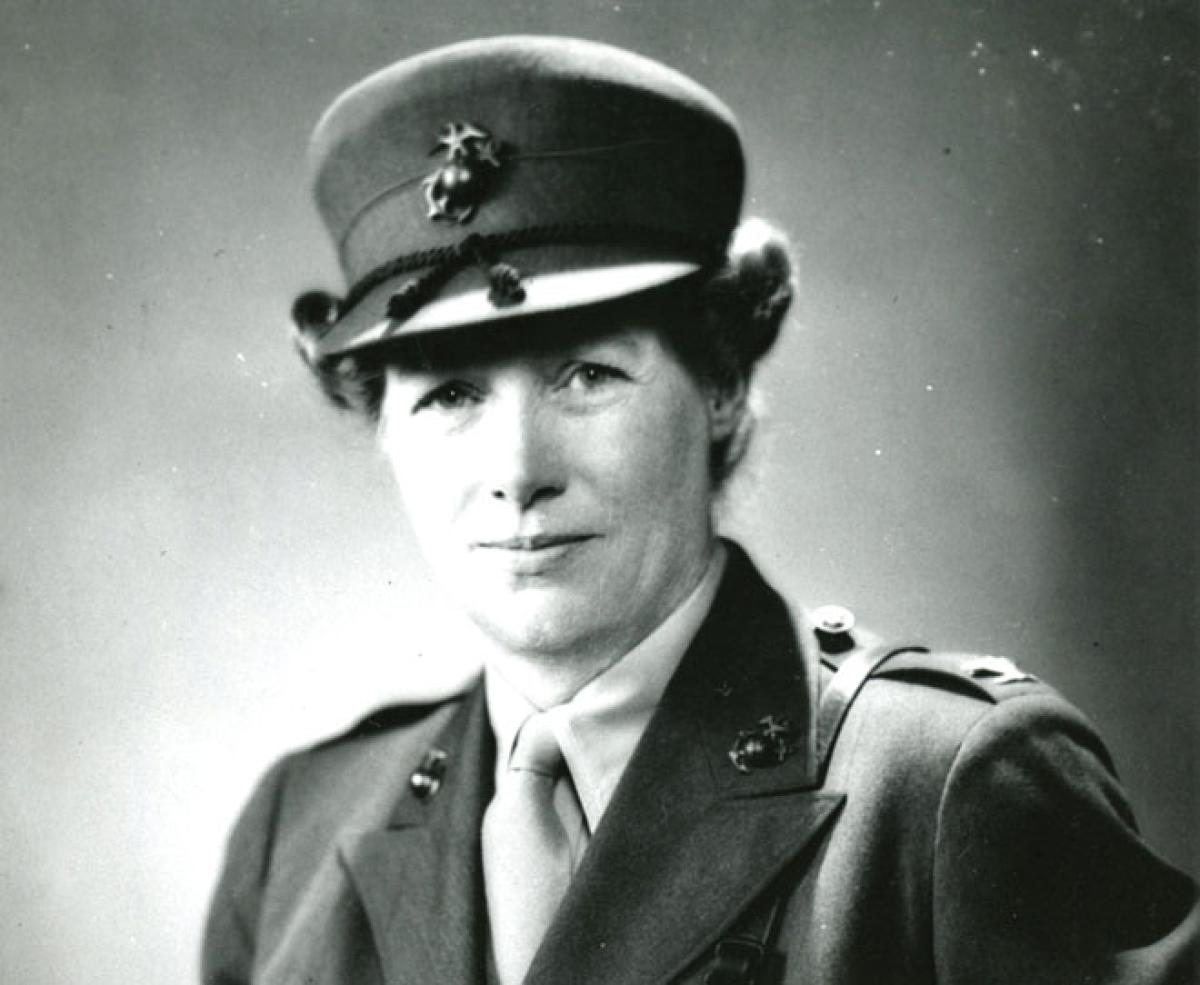
Colonel Ruth Cheney Streeter stands as a true pioneer in the history of the United States Marine Corps. Appointed as the first director of the Marine Corps Women’s Reserve (MCWR) during World War II, Streeter played a critical role in integrating women into the Corps and establishing the framework for their service. Her leadership and dedication not only shaped the role of women in the Marine Corps during the war but also laid the foundation for their future contributions.
Early Life and Civilian Contributions
Born in 1895 in Brookline, Massachusetts, Ruth Cheney Streeter led an active civilian life before her service. She was a devoted wife, mother of four, and civic leader in Morristown, New Jersey. Before joining the Marine Corps, Streeter was involved in various community organizations, notably the Red Cross and Civil Defense, as well as philanthropic efforts in her community.
Despite her accomplished civilian background, Streeter’s experience did not suggest a career in the military. However, when the United States entered World War II, she was determined to serve her country in a meaningful way. At the age of 47, she sought to contribute to the war effort by volunteering for military service, ultimately choosing the Marine Corps after being rejected by the Women’s Army Corps due to her age.
Leading the Marine Corps Women’s Reserve
In 1943, Streeter was appointed as the first director of the Marine Corps Women’s Reserve by then-Commandant Thomas Holcomb. As director, Streeter was tasked with the enormous responsibility of recruiting, training, and overseeing thousands of women who would serve in support roles throughout the war. Under her guidance, the Women’s Reserve grew from an idea into a fully operational and indispensable part of the Marine Corps.
Streeter’s leadership ensured that women in the MCWR could serve in non-combat positions that were vital to the war effort, including administrative, clerical, and technical roles. Her efforts allowed male Marines to be deployed to combat, thus enhancing the overall effectiveness of the Corps during the war. During her tenure, Streeter oversaw the recruitment of more than 23,000 women into the Women’s Reserve, contributing significantly to the Marine Corps’ success in the war.
Overcoming Challenges
Streeter faced numerous challenges as the director of the Women’s Reserve. One of the most pressing was overcoming the skepticism and resistance from some within the Marine Corps who questioned the integration of women into the traditionally all-male branch. However, Streeter’s perseverance, professionalism, and focus on excellence quickly earned her the respect of her male counterparts.
She was a strong advocate for ensuring that female Marines received the same level of training and discipline as their male counterparts. Streeter worked tirelessly to ensure that the women under her command were held to the highest standards, both in terms of performance and conduct. Her commitment to excellence helped to solidify the place of women in the Marine Corps and proved that they were capable of serving with distinction in critical roles.
Legacy and Post-War Contributions
Colonel Ruth Cheney Streeter retired from the Marine Corps in 1945, shortly after the end of World War II. She was awarded the Legion of Merit for her exceptional leadership and service during the war, a recognition of her invaluable contributions to the Marine Corps and to the nation. Under her direction, the MCWR had proven to be an essential part of the Marine Corps’ wartime operations, and her work paved the way for the eventual integration of women into the Marine Corps in a permanent capacity.
After the war, Streeter continued her service to the nation through various philanthropic and civic efforts. Her dedication to the causes of veterans, education, and public service remained a hallmark of her post-military life. Streeter’s work helped to change perceptions about the role of women in the military, ensuring that the contributions of female Marines were recognized and valued.
Conclusion
Colonel Ruth Cheney Streeter’s legacy is one of determination, leadership, and a profound commitment to service. As the first director of the Marine Corps Women’s Reserve, she played a critical role in transforming the role of women in the Marine Corps and setting the stage for future generations of female Marines. Her work during World War II not only helped win the war but also challenged long-standing gender roles within the military, proving that women were capable of serving with honor and distinction in the United States Marine Corps.
The Heroic Legacy of Major General Smedley Butler: A Marine’s Marine
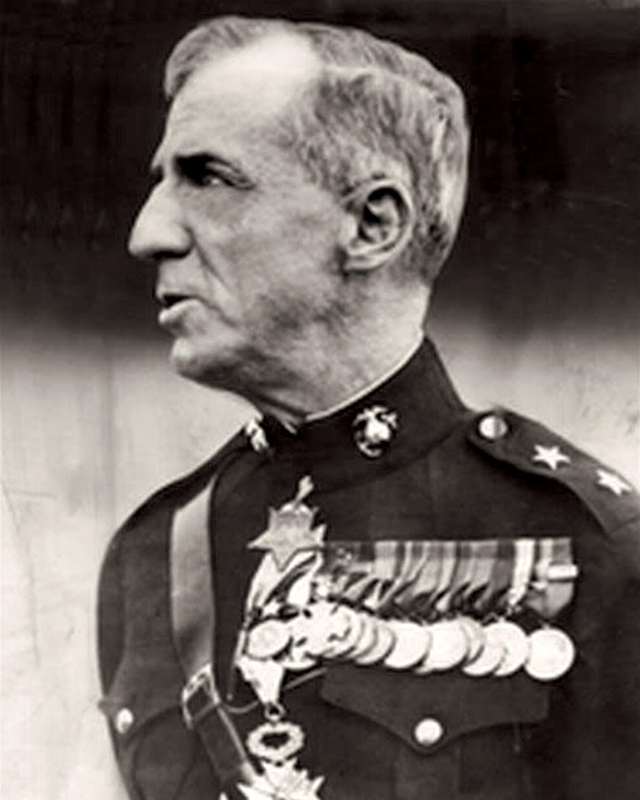
Major General Smedley Darlington Butler is one of the most decorated and revered figures in the history of the United States Marine Corps. Throughout his 34 years of service, Butler earned two Medals of Honor for his valor in combat, cementing his status as a legendary Marine. His career took him to battlefields across the globe, where he distinguished himself with exceptional courage, leadership, and an unyielding dedication to the principles of the Corps. He was more than just a Marine — he was a symbol of honor, duty, and fearless determination.
Early Life and Entry into the Marine Corps
Born in West Chester, Pennsylvania, in 1881, Smedley Butler grew up in a politically active family, his father serving as a U.S. Congressman. Despite his privileged background, Butler developed an early fascination with military life, fueled by his desire for adventure and service to his country. At just 16 years old, Butler left school and enlisted in the Marine Corps during the outbreak of the Spanish-American War in 1898.
His first taste of combat came in the Philippine-American War, and soon after, Butler was assigned to China during the Boxer Rebellion, where he earned his first distinction for bravery. The young lieutenant’s performance during this time laid the foundation for a career marked by heroism in the face of overwhelming odds.
First Medal of Honor: Veracruz, Mexico
One of Butler’s defining moments came during the U.S. occupation of Veracruz in 1914. The Mexican Revolution had plunged the country into chaos, and American forces were sent to stabilize the region. Butler, then a major, led a unit of Marines in capturing key positions within the city, braving heavy enemy fire. His leadership and calm demeanor under fire earned him his first Medal of Honor, marking the beginning of a storied career filled with valor and exceptional leadership.
In the heat of battle, Butler’s unwavering courage and strategic prowess were evident as he guided his men through the perilous streets, pushing forward despite significant resistance. His ability to inspire those under his command and his commitment to leading from the front became trademarks of his leadership style.
Second Medal of Honor: Haiti
Butler’s second Medal of Honor came during the U.S. intervention in Haiti in 1915. Tasked with quelling a local rebellion, Butler and a small detachment of Marines embarked on a daring assault on a fortified enemy stronghold in the mountains of Haiti. In the dead of night, Butler led his men through treacherous terrain, navigating dense jungle and scaling a steep cliff to surprise the enemy.
The Haitian rebels, known as the Cacos, were well entrenched, but Butler’s relentless determination led the Marines to victory. They stormed the stronghold, capturing it and defeating the enemy with minimal losses. Butler’s actions in Haiti further solidified his reputation as one of the most fearless leaders in the Marine Corps, earning him his second Medal of Honor — a rare feat that placed him among an elite group of military heroes.
Leadership in World War I
By the time World War I erupted, Smedley Butler was a seasoned combat veteran with years of battlefield experience. However, despite his fervent desire to serve on the front lines, Butler was assigned to oversee the training of Marines in France, a role he took on with the same dedication and intensity that defined his combat service.
While he did not see combat in Europe, Butler’s leadership during World War I was critical in preparing thousands of Marines for battle. His hands-on approach to training and insistence on discipline and preparedness helped shape the Marine Corps’ success during the war. After the war, he was promoted to brigadier general, a testament to his impact on the Corps and the broader U.S. military effort.
Post-War Service and Advocacy
Following World War I, Butler continued to serve with distinction, earning the rank of major general and commanding Marines in various assignments around the world. However, it was his post-military life that truly set Butler apart from his contemporaries.
After retiring from the Marine Corps in 1931, Butler became a vocal critic of U.S. military intervention abroad and the use of American forces to protect corporate interests. He gave a series of public speeches and wrote articles, including his famous book, War is a Racket, in which he condemned war profiteering and argued that many conflicts were driven by economic and political motivations rather than national security concerns.
Though controversial, Butler’s outspoken views on war and imperialism were informed by his decades of service in the military, where he saw firsthand the human cost of combat. His transition from a highly decorated war hero to an anti-war advocate reflected the depth of his character and his commitment to speaking truth to power, even when it was unpopular.
Legacy and Lasting Impact
Smedley Butler’s legacy as a Marine is unmatched. His two Medals of Honor, his tireless service during conflicts around the globe, and his leadership during the formative years of the 20th century Marine Corps cement him as one of the most significant figures in the history of the Corps. Beyond his battlefield accomplishments, Butler’s later advocacy for peace and reform highlighted his deep sense of morality and justice.
Butler’s service to the Marine Corps wasn’t just measured by his decorations or his time in combat; it was reflected in his lifelong commitment to serving others, whether it was leading Marines in battle or speaking out against what he saw as unjust wars. To this day, he is remembered as a Marine’s Marine — one whose courage, leadership, and integrity remain a model for every Marine who follows in his footsteps.
Conclusion
Major General Smedley Butler’s life and career are an enduring testament to the highest ideals of the United States Marine Corps. From the jungles of Haiti to the streets of Veracruz, Butler led with unwavering bravery and commitment to his men. His legacy as one of the most decorated Marines in history, coupled with his later advocacy for peace, ensures that his name will forever be associated with valor, leadership, and the pursuit of justice.
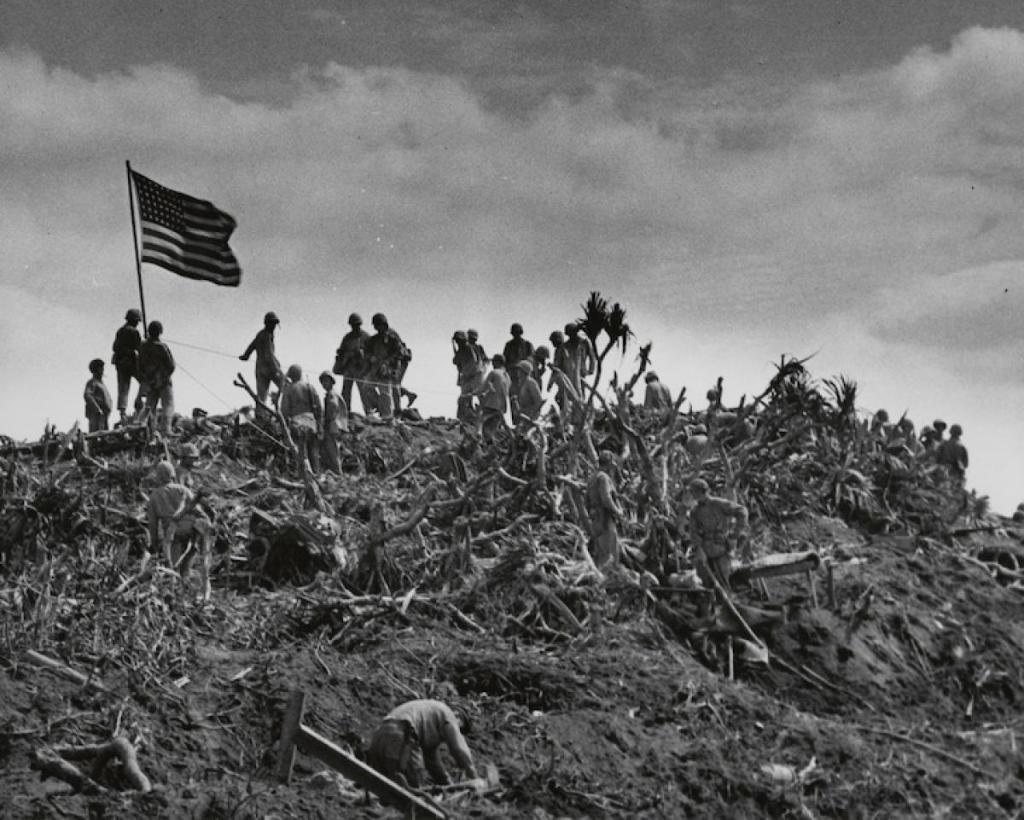
The gripping narrative of the Battle of Iwo Jima during World War II.
🌅 The Stage is Set:
It’s February 19, 1945, a gray dawn breaks over the Pacific Ocean. The tiny volcanic island of Iwo Jima, only 8 square miles in size, becomes the epicenter of a pivotal battle between the United States and Imperial Japan. The island, heavily fortified by the Japanese, was a key strategic location on the path to Japan itself.
🇺🇸 The Marine Corps Prepares:
The United States Marine Corps had been tasked with taking Iwo Jima, and they were up against some of the most formidable defenses encountered in the Pacific Theater. General Kuribayashi Tadamichi, the Japanese commander, had turned the island into a maze of underground bunkers, tunnels, and fortifications.
🏴☠️ D-Day on Iwo Jima:
As the sun climbed higher in the sky, U.S. Marines stormed the beaches under a relentless barrage of artillery and machine-gun fire. The iconic image of the flag-raising on Mount Suribachi by six Marines would later become a symbol of American determination.
💥 Ferocious Combat:
The battle devolved into a gruesome slog as Marines faced relentless resistance from entrenched Japanese forces. These men fought with unparalleled valor and tenacity. The battle for Iwo Jima is best summarized by Admiral Chester Nimitz’s words, “Uncommon valor was a common virtue.”
🔥 The Tunnels of Death:
The Japanese defenders utilized an intricate network of tunnels and bunkers to launch ambushes and counterattacks. Marines had to adapt, clearing these tunnels one by one, often with flamethrowers or grenades. It was harrowing combat in the tight, dark confines underground.
🏆 Victory at a Tremendous Cost:
After 36 days of grueling combat, the Marines finally secured Iwo Jima on March 26, 1945. Victory, however, came at a tremendous cost. Nearly 7,000 Marines lost their lives, and another 20,000 were wounded. Of the 21,000 Japanese defenders, only about 200 were captured alive.
🎖️ Legacy:
The Battle of Iwo Jima demonstrated the unyielding spirit and courage of the United States Marine Corps. It also underscored the high price of victory in the Pacific. The lessons learned on that barren island would serve the Marines well as they continued their island-hopping campaign toward Japan itself.
The Battle of Iwo Jima remains etched in history as one of the most ferocious and consequential battles ever fought by the Marine Corps, a testament to the unwavering determination and heroism of those who served. 🇺🇸🌋 #USMC #IwoJima
👥 Personal Stories:
We’ve had the privilege of meeting a Marine veteran, John, who served during the Vietnam War. His stories of camaraderie and resilience in the face of adversity left an indelible mark. He emphasized the importance of the Marine Corps’ ethos, which instilled in him the values of honor, courage, and commitment.
Another Marine, Sarah, shared her experience as a Marine Corps pilot. Her dedication to flying and serving her country exemplified the unwavering spirit of a Marine. She spoke of the lifelong friendships she forged during her time in the Corps.
As we celebrate 249 years of Marine Corps excellence, let’s remember the sacrifices made and the legacy forged by these remarkable individuals. 🇺🇸🎂 #SemperFi #USMC249
