
Every Friday, we pause to show our deep appreciation for the brave men and women serving in the United States military. It’s a day to recognize their unwavering dedication and sacrifice, as well as to remember the families who support them from home. RED FRIDAY—”Remember Everyone Deployed”—is not just a call to action, but a tribute to the individuals who stand in harm’s way to protect our freedoms and ensure the security of our nation.
RED FRIDAY: Honoring Our Deployed Military Personnel and Their Families
One of the simplest yet most powerful ways we can show our support is by wearing red every Friday. By donning this color, we visually unite in solidarity with our troops and their families. Wearing red each Friday reminds us of the sacrifices being made across the globe and ensures that our deployed service members feel the strength of the homefront community standing with them, no matter where they are.
The men and women of the U.S. military are spread across the globe, serving in a variety of capacities, from humanitarian missions to high-stakes defense operations. Whether they’re stationed in remote locations, aboard ships at sea, or deployed in combat zones, these service members carry out their duties with the utmost professionalism, courage, and commitment. However, their sacrifices extend beyond the uniform.
Behind each service member is a family—spouses, children, parents, and friends—who bear the emotional weight of separation and the uncertainty of deployment. While our military personnel are putting their lives on the line, their families are showing remarkable resilience, holding down the fort at home. These loved ones also deserve our support, as they endure the challenges of being apart from their service members, often without the comfort of knowing when they will be reunited.
As we reflect on the significance of RED FRIDAY, let’s also consider how we can offer support to our troops and their families. Whether through small gestures of kindness, financial assistance, or simply offering a listening ear, every effort makes a difference. Our deployed service members rely not only on their fellow soldiers but also on the strength of their communities back home.
One of the ways we can all contribute is by participating in local support organizations that provide resources and assistance to military families. These organizations are vital in ensuring that families of deployed service members have access to the support they need during the deployment period. Whether it’s helping with childcare, offering financial guidance, or simply providing emotional support, these groups play a crucial role in maintaining the strength of the military family.
On this RED FRIDAY, we also encourage everyone to take a moment to reach out to the military families in your community. A simple message of encouragement or an offer to help can go a long way in showing that they are not alone in their journey. For the men and women serving overseas, knowing that their loved ones are supported by a caring community can provide them with the strength and morale needed to carry on their missions.
Let us stand together in remembering everyone deployed. Our support, no matter how big or small, is a powerful testament to the unity and gratitude we feel for the sacrifices made by the U.S. military and their families. As we continue to honor our service members and their loved ones, let’s also pledge to offer our ongoing support, ensuring that they know we are thinking of them every step of the way.
In the spirit of RED FRIDAY, let’s unite in showing our appreciation for those who serve and their families, who stand by them with unwavering strength and courage. Wear red every Friday as a visible reminder that we are united in our support. Together, we can ensure our military personnel know they are never far from our hearts and thoughts.

Seventh Air Force Commences Air Component Operations in Freedom Shield 25 Exercise
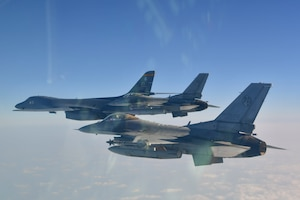
On March 10, 2025, the Seventh Air Force initiated air component training as part of Freedom Shield 25, a comprehensive exercise conducted jointly by the Republic of Korea (ROK) and the United States. This large-scale exercise, scheduled from March 10 to March 21, 2025, is taking place across the Korean peninsula.
Exercise Overview
Freedom Shield 25 is a defense-oriented exercise designed to enhance the combined defensive capabilities of ROK and U.S. forces. The exercise features a blend of live, virtual, and constructive field-based training, engaging personnel from various military services. The primary objective is to fortify response capabilities to safeguard security on the peninsula, ensuring that alliance forces are prepared to respond effectively to any contingencies.
Air Component Training
The Seventh Air Force’s participation involves a series of air component operations aimed at integrating and synchronizing air power within the joint and combined forces framework. These operations are crucial for maintaining air superiority and providing support to ground and naval units during the exercise. The training emphasizes interoperability and readiness, reflecting the strong military partnership between the ROK and the United States.
Strategic Significance
Freedom Shield 25 underscores the enduring commitment of the ROK-U.S. alliance to regional stability and security. By conducting such comprehensive exercises, both nations demonstrate their resolve to deter aggression and maintain peace on the Korean peninsula. The exercise also serves as a platform to adapt to evolving security challenges, ensuring that combined forces remain agile and capable.
Conclusion
The commencement of air component operations by the Seventh Air Force in Freedom Shield 25 marks a significant step in enhancing the defensive posture of the ROK-U.S. alliance. Through rigorous training and coordination, both nations continue to strengthen their military capabilities, contributing to the overarching goal of peace and stability in the region.
Historic First: 109th Airlift Wing’s LC-130 Hercules Lands on Freshwater Ice
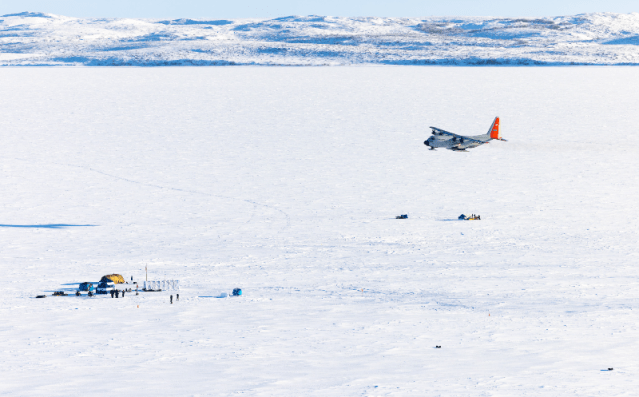
In a landmark event, Airmen from the New York Air National Guard’s 109th Airlift Wing successfully landed an LC-130 Hercules aircraft on freshwater ice for the first time in the wing’s history. This achievement occurred on March 5, 2025, during Operation Nanook-Nunalivut near Inuvik, Canada.
Operation Nanook-Nunalivut and Site Selection
Operation Nanook-Nunalivut is an annual Arctic-focused military exercise organized by Canada, aiming to enhance interoperability among allied forces in challenging Arctic conditions. During this operation, Major Joseph Shanahan, serving as the ski landing control officer, led a team that scoured over 25,000 miles of ice along the Northwest Territories’ coast, seeking a suitable landing site for the LC-130 Hercules. However, none met the necessary criteria. Undeterred, the team expanded their search inland and identified Parsons Lake as a viable location.
Establishing the Ski Landing Area
The Polar Camp Skiway Team (PCST), comprising members from the 109th, 123rd, and 133rd Airlift Wings, collaborated to establish an Arctic camp and construct a ski landing area on Parsons Lake. Master Sergeant Nick Cross highlighted the synergy of this joint effort, stating that the combined expertise enabled them to build the ski landing area in just one day. The team worked tirelessly from sunrise to sunset to ensure the landing zone was prepared for the LC-130’s arrival.
Support from Canadian Forces
The operation received substantial support from the Canadian Forces, including CC-138 Twin Otter aircraft from the 440 Transport Squadron, CH-147F Chinook helicopters from the 450 Tactical Helicopter Squadron, and CH-146 Griffon helicopters from the 430 Tactical Helicopter Squadron and 417th Combat Support Squadron. These aircraft facilitated the transportation of supplies and personnel to the Arctic camp, underscoring the collaborative nature of the mission.
Significance of the Freshwater Ice Landing
Landing the LC-130 Hercules on freshwater ice marks a significant tactical advancement. Freshwater ice is structurally stronger than seawater ice, allowing operations on thinner ice layers. This capability opens up new possibilities for rapid deployment of personnel, equipment, and supplies to remote Arctic regions lacking traditional runways. It enhances operational flexibility and effectiveness in austere environments, providing access to areas previously deemed inaccessible by conventional aircraft.
The LC-130 Hercules: A Unique Asset
The LC-130s operated by the 109th Airlift Wing are the largest tactical aircraft globally capable of landing on snow and ice using skis. This unique capability is crucial for large-scale airlift missions in harsh conditions, particularly in polar regions. The successful freshwater ice landing during Operation Nanook-Nunalivut represents a pivotal evolution in the wing’s Arctic operational capabilities.
Looking Ahead
Lieutenant Colonel Matthew Sala, the 109th deployed commander, expressed optimism about future operations, stating that the wing is excited to continue evolving its capabilities in the Arctic. The successful freshwater ice landing not only demonstrates the wing’s adaptability but also enhances its readiness for future missions in challenging environments.
This historic achievement underscores the 109th Airlift Wing’s commitment to advancing Arctic aviation capabilities and strengthening international military collaboration in the region.
31st MEU Enhances Maritime Surveillance with Advanced Sensor Technologies During SEAB Exercise
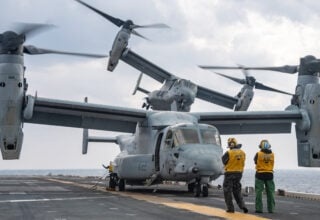
In a recent five-day training exercise concluding on March 11, 2025, the 31st Marine Expeditionary Unit (MEU) established a Sensor Expeditionary Advanced Base (SEAB) on Ukibaru Island, Okinawa, to enhance maritime surveillance capabilities.
Components and Functions of the SEAB
The SEAB integrated both active and passive sensor systems:
- Active Radar Site: Utilized radar technology to detect and monitor surface and aerial targets, providing real-time data on vessel and aircraft movements.
- Passive Sensor Site: Employed communication surveillance techniques to analyze electromagnetic frequencies and signal activities, enabling the detection and tracking of potential adversary forces by intercepting and interpreting their communications.
This combination allowed for comprehensive situational awareness in the maritime domain, enhancing the unit’s operational effectiveness.
Integration of Portable Sensors and Unmanned Systems
During the exercise, Marines deployed portable sensors aboard Rigid Hull Inflatable Boats (RHIBs), extending the surveillance reach of the SEAB. Additionally, they conducted expeditionary resupply missions using Tactical Reconnaissance Unmanned Aerial Systems (TRUAS), demonstrating the capability to sustain operations in remote environments without traditional logistical support.
Strategic Significance
The successful implementation of the SEAB during this exercise underscores the 31st MEU’s commitment to innovation and adaptability. By integrating advanced sensor technologies and unmanned systems, the unit has enhanced its ability to monitor and secure critical maritime regions, ensuring the free flow of commerce and contributing to regional stability.
This exercise highlights the continuous evolution of the 31st MEU’s capabilities, reflecting a proactive approach to emerging threats and the dynamic nature of modern maritime operations.
