Support Our Deployed Troops: The Importance of Red Friday
As we observe Red Friday on July 26, 2024, we stand united in our commitment to support our deployed U.S. troops. In recent months, the global landscape has underscored the critical role our military plays in maintaining peace and security, as illustrated by several key events and operations involving our brave servicemen and women.
Strengthening Alliances through Eagle Partner 2024
The U.S. Army’s joint military exercise, Eagle Partner 2024, with Armenian forces, is a prime example of our troops working to fortify international alliances. This 11-day exercise, running through July 24, aims to enhance interoperability and readiness for peacekeeping operations. The initiative not only reflects the growing partnership between the U.S. and Armenia but also signifies Armenia’s geopolitical shift towards the West. Despite the backlash from Russia, which views this shift as a threat to regional stability, our troops remain committed to fostering peace and security in the region.
Enhancing Communication Capabilities for Deployed Troops
In another significant development, SES Space & Defense secured a $3.6 million contract to provide satellite communication services to the U.S. Army. This initiative is part of a pilot program exploring “satcom as a managed service,” aiming to streamline communication capabilities for our deployed forces. By ensuring reliable and comprehensive satellite communication services, this program supports our military’s ability to conduct operations effectively across North America, Europe, and Asia-Pacific regions. Enhanced communication is crucial for the safety and efficiency of our troops, and this contract represents a vital step forward.
Monitoring Global Military Movements
The recent interception of two Russian and two Chinese military aircraft operating near Alaska highlights the ever-present need for vigilance and readiness. While these aircraft remained in international airspace, the North American Aerospace Defense Command (NORAD) continues to monitor competitor activity closely. This incident underscores the importance of our military’s presence in maintaining stability and protecting national interests. The joint patrols by Russia and China over international waters are a reminder of the dynamic and often tense global military landscape our troops navigate daily.
A Call to Action
These events illustrate the multifaceted challenges our deployed troops face and the essential role they play in safeguarding global peace and security. On this Red Friday, we urge all Americans to show their support for our servicemen and women. Wear red, display a flag, or share a message of gratitude on social media. Let us honor their dedication, sacrifice, and the critical missions they undertake on our behalf.
By staying informed and actively supporting our troops, we contribute to a stronger, more unified nation. As we reflect on their service, let us also reaffirm our commitment to ensuring they have the resources, support, and recognition they deserve. Together, we can make a meaningful impact and demonstrate our unwavering support for those who serve on the front lines of global security.
U.S. Military Intercepts Russian and Chinese Aircraft Near Alaska: A Call for Support of Deployed U.S. Troops
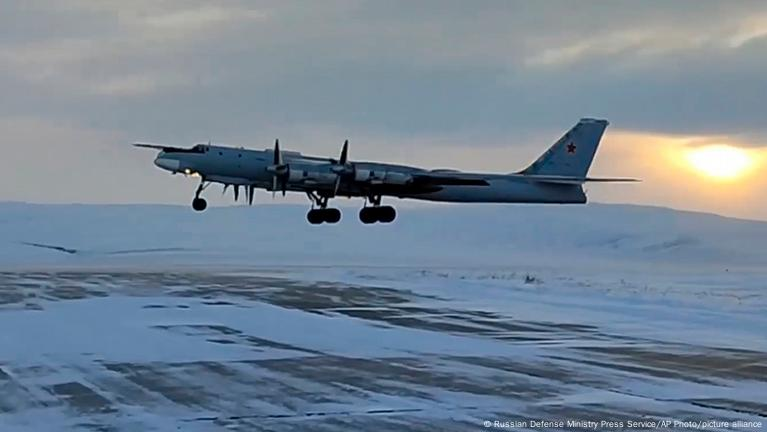
On July 24, 2024, the U.S. military announced the interception of two Russian and two Chinese military aircraft operating in the Alaska Air Defense Identification Zone (ADIZ). Despite their proximity, the aircraft remained in international airspace and did not enter American or Canadian sovereign airspace, according to the North American Aerospace Defense Command (NORAD).
NORAD confirmed that the presence of these aircraft was not considered a threat. However, the command emphasized its commitment to continue monitoring “competitor activity” near North America. This vigilance underscores the need for ongoing support of U.S. troops deployed to protect our nation’s security.
The intercepted aircraft included Chinese H-6 and Russian Tupolev Tu-95 long-range bombers, tracked flying over international waters near Alaska. In response, U.S. and Canadian fighter jets were dispatched. China and Russia later confirmed that the patrol was a joint air exercise over the Bering Sea, aimed at testing and improving coordination between their air forces.
This joint patrol is part of a series of similar exercises conducted since 2019, highlighting the growing military collaboration between China and Russia. The Russian Defense Ministry stated that the patrol also covered the Chukchi Sea, with Russian and Chinese strategic bombers involved in the five-hour exercise.
The increased military activity of China and Russia in the region has raised concerns globally, particularly in Japan. Japanese officials have noted the potential threat posed by these joint drills, recalling a similar patrol over waters between Japan and Korea in December.
Moreover, Chinese naval presence near Alaska has become more frequent. In mid-July, the U.S. Coast Guard spotted four Chinese ships within the U.S. Exclusive Economic Zone. China’s Defense Ministry described these movements as routine combat readiness training, part of their strategy to enhance far-seas operational capabilities.
In light of these developments, it is crucial for U.S. citizens to express strong support for our deployed troops. Their constant readiness and rapid response to such international activities ensure the safety and sovereignty of our nation.
Supporting our military means recognizing their sacrifices and contributions to national security. As NORAD continues to monitor and respond to competitor activities, the steadfast backing of U.S. citizens is more important than ever. Let us honor our troops by acknowledging their efforts and providing unwavering support for their mission to protect and defend our country.
Eagle Partner 2024: Strengthening US-Armenian Military Ties Amid Russian Backlash

Eagle Partner 2024 is a collaborative exercise between U.S. Army Europe and Africa and Armenian forces, aiming to fortify the alliance between the two nations. This initiative focuses on bolstering interoperability and readiness, enhancing their collective ability to conduct peacekeeping operations. The exercise expands cooperation, builds technical and procedural interoperability, and strengthens ties with a key partner.

Background and Objectives
The ongoing 11-day joint military exercise, running through July 24, involves a small number of American and Armenian troops at a base in the suburbs of Yerevan. Designed by the U.S. European Command, Eagle Partner seeks to improve interoperability between the U.S. and Armenia during peacekeeping and stability operations. This effort underscores the commitment of both nations to maintaining peace and security.
Symbolism and Geopolitical Implications
While the number of troops involved is relatively small, the timing and symbolism of Eagle Partner have drawn significant attention and backlash from Russia. The exercise highlights Armenia’s geopolitical shift away from Russia and towards the West, particularly in the aftermath of the Nagorno-Karabakh conflict. This shift is a significant factor in the regional dynamics and a clear indicator of Armenia’s changing alliances.
At the opening ceremony on July 15, U.S. Ambassador to Armenia, Kristina Kvien, emphasized the importance of the exercise, stating, “You [US and Armenian troops] are at the forefront of an important and growing relationship and partnership, and our nations thank you for your personal commitment toward ensuring peace, security, and prosperity.”
Expanding US-Armenian Cooperation
In addition to the exercise, an Armenian media outlet, Hetq, reported that a resident adviser from the Pentagon would be attached to Armenia’s Ministry of Defense. Although the adviser’s duties have not been disclosed publicly, this move signifies deeper military cooperation. Moreover, the U.S. and Armenia are discussing the construction of a new nuclear power plant in Armenia, aiming to reduce Russian control over atomic power generation at the Metsamor facility.
Russian Reaction and Concerns
The exercise has prompted a strong response from Russian officials. Maria Zakharova, spokesperson for the Russian Foreign Ministry, portrayed the presence of American forces in the Caucasus as a threat to regional stability. She suggested that the U.S. and NATO aimed to disrupt the “fragile balance” and reignite conflict in the region. Zakharova stated, “The appearance of the Americans in the South Caucasus… will only fuel the conflict potential persisting in the region, and create new dividing lines… and hotbeds of conflict.”
This reaction highlights the Kremlin’s alarm over losing influence in Armenia and concerns about the growing U.S. presence disrupting the North-South corridor, a trade network linking Russia and Iran that supports Russia’s sanctions-busting efforts and its war in Ukraine. Additionally, Moscow is worried that the U.S. is taking the lead in promoting peace between Armenia and Azerbaijan.
Armenia’s Strategic Shift
Following Azerbaijan’s victory in the Karabakh war in 2023, Armenia has been quick to strengthen ties with the West while distancing itself from Russia. This strategic pivot was underscored by Armenian Prime Minister Nikol Pashinyan’s announcement of Armenia’s withdrawal from the Russian-led Collective Security Treaty Organization.
Contrary to Zakharova’s accusations, U.S. diplomats have been working to revive the Armenian-Azerbaijani peace process. U.S. Under Secretary of State for Civilian Security, Democracy, and Human Rights Uzra Zeya criticized Russia’s peacebuilding efforts in the Caucasus, stating that Washington “sees nothing to indicate that Russia’s military presence contributes to a more peaceful and stable South Caucasus region.”
Limited Russian Response
Despite its influence in Armenia through economic dependency and a military base in Gyumri, Russia’s response to Armenia’s westward shift has been mostly verbal. The burdens of the Ukraine war may be limiting Russia’s ability to act in the Caucasus.
Conclusion
Eagle Partner 2024 underscores Armenia’s strategic pivot towards the West and the ensuing friction with Russia. The exercise, coupled with U.S. diplomatic efforts, marks a significant shift in regional dynamics, highlighting Armenia’s quest for new alliances. As US citizens, it’s crucial to express strong support for our troops deployed abroad, acknowledging their role in fostering international cooperation and maintaining global peace and security.
New Satellite Communications Contract Aims to Enhance U.S. Army Operations and Support Deployed Troops

WASHINGTON — On July 24, SES Space & Defense, the U.S. division of Luxembourg-based satellite operator SES, announced securing a $3.6 million contract to provide satellite communication services to the U.S. Army. This contract is part of a pilot program initiated by the Army in September to explore “satcom as a managed service,” marking a shift from traditional military contracts for satellite capacity. Under this model, SES will deliver comprehensive services, including satellite capacity, ground infrastructure, and network management.
The Army’s Program Executive Office for Command, Control, Communications-Tactical (PEO C3T) announced last year the selection of SES and Intelsat for this pilot program. The goal is to inform future procurements and potentially lead to broader adoption of the managed service approach.
David Fields, president and CEO of SES Space & Defense, highlighted the program as a significant opportunity for SES Space & Defense to support Army customers using a multi-orbit strategy and a multi-band satellite fleet. SES, operating a fleet of over 70 satellites in geostationary and medium Earth orbits, will support military combatant commands across North America, Europe, and the Asia-Pacific regions under this pilot program.
The contract’s value, previously undisclosed when the Army announced SES and Intelsat’s selection for the pilot in September, has now been revealed as $3.6 million.
Hypothesis:
The implementation of “satcom as a managed service” could provide significant benefits for deployed U.S. troops. By shifting from a self-managed infrastructure to a streamlined, provider-managed model, the Army can ensure more reliable and flexible communication services. This approach allows for quicker adaptation to changing operational needs and environments, potentially enhancing mission effectiveness and the safety of deployed personnel. Improved communication capabilities could lead to better coordination, situational awareness, and overall operational efficiency for troops in the field.

