
A Century of Dominance: The Evolution of the U.S. Air Force
For over a century, the U.S. Air Force has been at the forefront of global military power, shaping the course of warfare and securing America’s place as a leading global superpower. From its humble beginnings to its current status as a dominant force in air, space, and cyberspace, the history of the U.S. Air Force is a testament to the innovation, bravery, and dedication of its Airmen.
1907-1939: The Birth of Military Aviation and Changing the Way of War
The story of the U.S. Air Force began on August 1, 1907, when the U.S. Army Signal Corps established a small Aeronautical Division. Tasked with overseeing military ballooning and air machines, this division marked the first official step towards the development of military aviation in the United States. The early years were marked by experimentation and gradual progress. By 1912, Congress had allocated funds for Army aeronautics, and the Signal Corps had begun to build a small fleet of aircraft.
The onset of World War I in 1914 revolutionized warfare, with fixed-wing aircraft playing a pivotal role in ground attacks and reconnaissance. The U.S. Army’s air combat branch, then known as the Air Service, played a crucial role in the conflict, conducting bombing raids and aerial combat missions that showcased the potential of airpower. The war in Europe focused attention on aviation, leading to significant investments in military aeronautics and the rapid expansion of the Air Service.
1940-1945: Establishing the High Ground
World War II solidified the importance of airpower in modern warfare. With over 30 countries drawn into the conflict, the skies became the ultimate vantage point. The U.S. entered the war following the Japanese attack on Pearl Harbor, and the ensuing years saw the Air Force play a critical role in securing victory. From the bombing campaigns over Europe to the final, devastating use of atomic bombs on Japan, the U.S. Air Force established itself as a formidable force, capable of achieving strategic dominance from the skies.
1946-1949: Pushing the Envelope
In the aftermath of World War II, the U.S. Air Force underwent significant changes. The establishment of the Air Force as a separate military branch in 1947 marked a turning point in the history of U.S. military aviation. The creation of the Air National Guard and Air Force Reserve expanded the nation’s military capabilities, ensuring that Reservists were ready to serve during wartime. This period also saw the U.S. solidify its status as a global superpower, with air superiority playing a central role in its military strategy.
1950-1953: The Korean War
The Korean War tested the capabilities of the newly independent Air Force. When North Korea invaded South Korea, the U.S. quickly intervened, using airpower to turn the tide of the conflict. The war ended in a stalemate, but the U.S. Air Force had once again proven its ability to project power and influence outcomes on the global stage.
1954-1964: Breaking New Ground
The decade following the Korean War was marked by significant advancements in both technology and equality within the Air Force. The U.S. began exploring space, and the Air Force played a key role in these early missions. Meanwhile, barriers within the military were being broken down, with the Air National Guard accepting its first African American pilot, 1st Lt Thomas E. Williams, and female Capt Norma Parsons. These milestones reflected the broader societal changes occurring in America and demonstrated the Air Force’s commitment to progress.
1965-1973: The Vietnam War
The Vietnam War was a challenging and controversial conflict, but it also underscored the importance of air superiority. The U.S. Air Force, now fully integrated with its Active Duty, Reserve, and Air National Guard branches, played a crucial role in the war effort. The conflict saw the Air Force push the boundaries of technology and tactics, developing new aircraft and strategies to meet the demands of modern warfare.
1974-1989: New Waves of Defense
In the years following the Vietnam War, the Air Force entered a period of relative peace, allowing for significant technological advancements. This era saw the development of new aircraft, including the first stealth bombers, which would later become iconic symbols of U.S. airpower. The Air Force also made strides in promoting diversity, with women and minorities being increasingly recognized for their contributions and service.
1990-1999: Making Our Mark
As the 20th century drew to a close, the U.S. Air Force solidified its position as the most advanced air force in the world. The Gulf War in 1991 demonstrated the power of precision airstrikes and the effectiveness of new technologies, such as GPS and unmanned aircraft. The Air Force’s role in the liberation of Kuwait and its ability to project power across the globe were clear indicators of its unmatched capabilities.
2000-Present: 21st Century and Beyond
The attacks on September 11, 2001, ushered in a new era of warfare for the U.S. Air Force. The War on Terror saw the rise of unmanned aerial systems (UAS), which became a key component of the Air Force’s strategy. In 2009, the UAS Flight Plan outlined the future of unmanned aircraft, with plans for one-third of the Air Force’s planes to be unmanned by 2047. As the Air Force continues to evolve, it remains committed to maintaining its dominance in air, space, and cyberspace, ensuring that the U.S. remains a global superpower well into the 21st century.
Conclusion
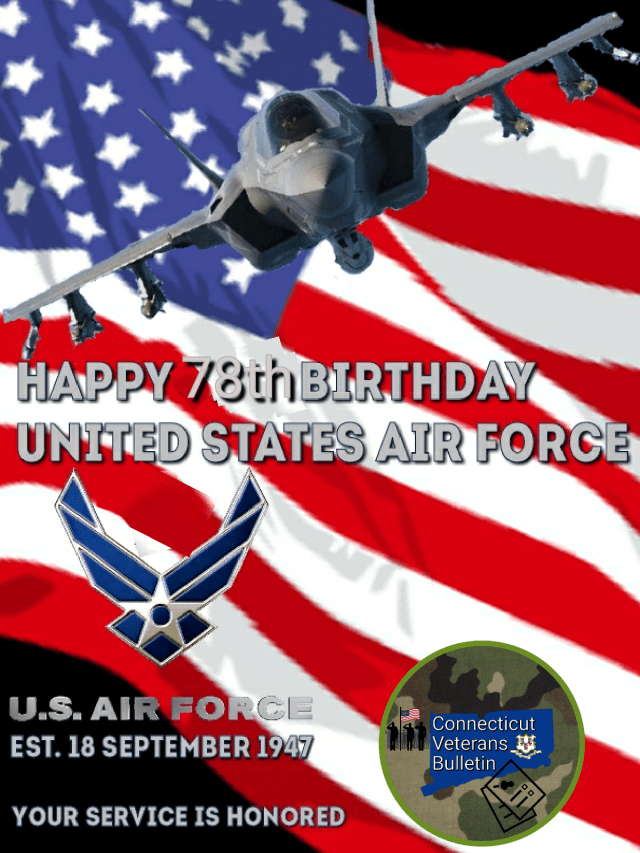
The history of the U.S. Air Force is a story of innovation, bravery, and relentless pursuit of excellence. From its early days as a small division within the U.S. Army to its current status as a separate and equal branch of the military, the Air Force has played a crucial role in shaping the course of history. As it celebrates its 78th birthday, the Air Force continues to stand as a testament to the power of air superiority and the dedication of the men and women who serve.
